What is the best time to be in a Northern Territory national park? The dry season, May through October, will suit most travellers as it has a combination of mild weather and open roads to go with comfortable conditions for a walk and no problems getting into the parks. Then there is the wet from November to April; while one can have a spectacular time, you are at the mercy of tropical thunderstorms, humidity and flooding which can shut down roads and throw a spanner in your plans.
I am Henry Northwood. I do not like travel advice that leaves you to ogle a list of places, I prefer something to help you decide. In the Northern Territory you are after waterfalls, a road trip in the Red Centre, some swimming holes or long walks and the season you pick matters. And with the Territory being such a vast place, what is “best” in Darwin or Alice Springs will be quite different to Kakadu, Katherine or Uluru.
A Good Window For Visiting
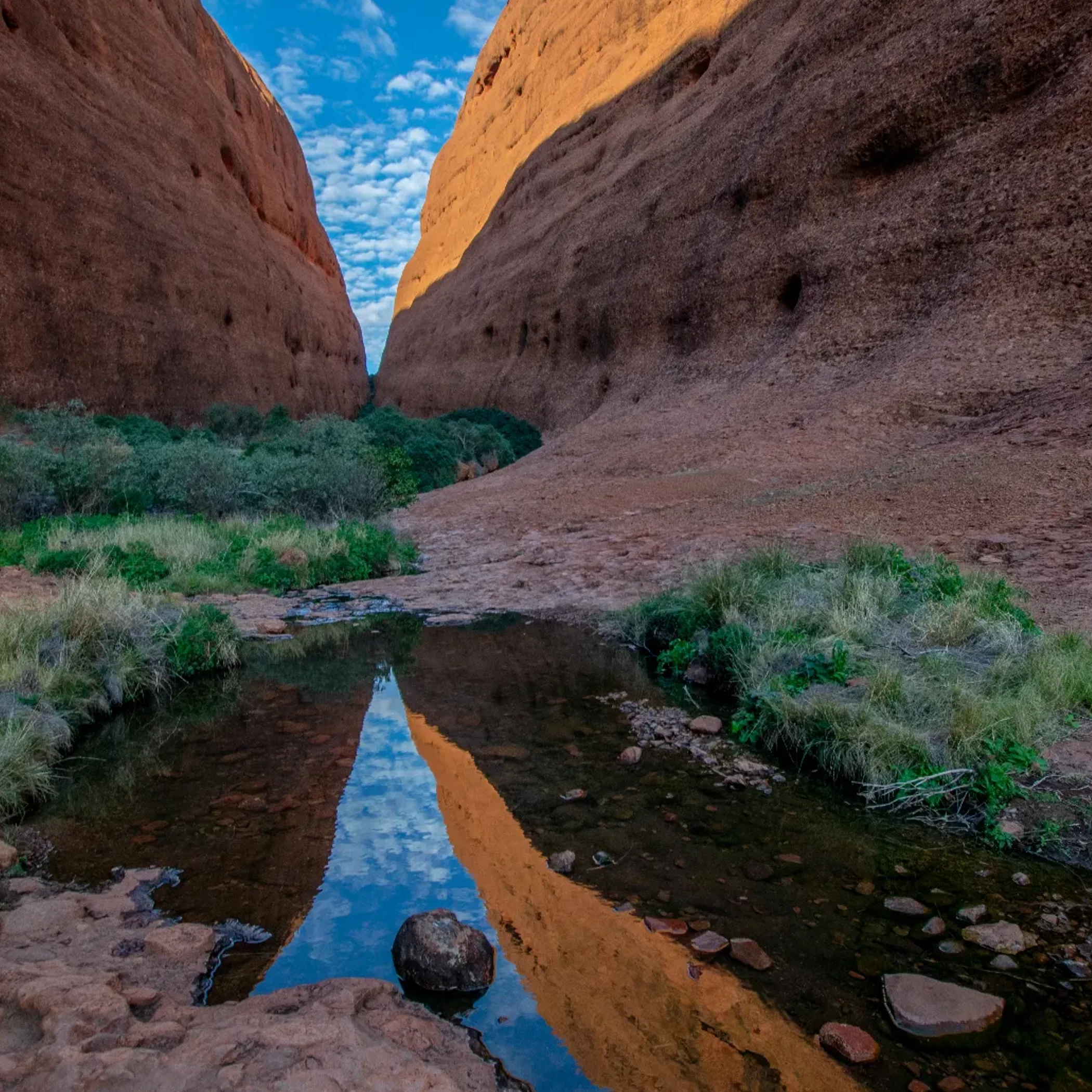
My recommendation for an all-round visit to any of the national parks is the period between May and October. You will find less rain and the Top End’s humidity is not so oppressive; the roads are open and it is a fine time for sightseeing or to put up camp.
July and August see a lot of people on account of the dependable weather, which in turn means the campgrounds and tours are busy. There is a certain compromise to be had in the shoulder months of May, June, September and October, though come October the heat can be on before the wet is due. Do yourself a favour and check the forecast and park status before you head out of Darwin or your lodging, and review the key precautions for NT park visits.
Think Before You Pick A Month
May is something of a transition. You may yet have strong waterfalls from the wet but some of the tracks and roads are under review. By June to August the Red Centre is drier in the Top End and you get warm days with cool evenings.
If you would rather avoid the winter crowds then September and October are fine, if you can stand the heat. On an exposed track with no shade you would be unwise to be out walking at midday. Make an early start, have plenty of water and allow yourself to put in some rest stops.
The Dry Season
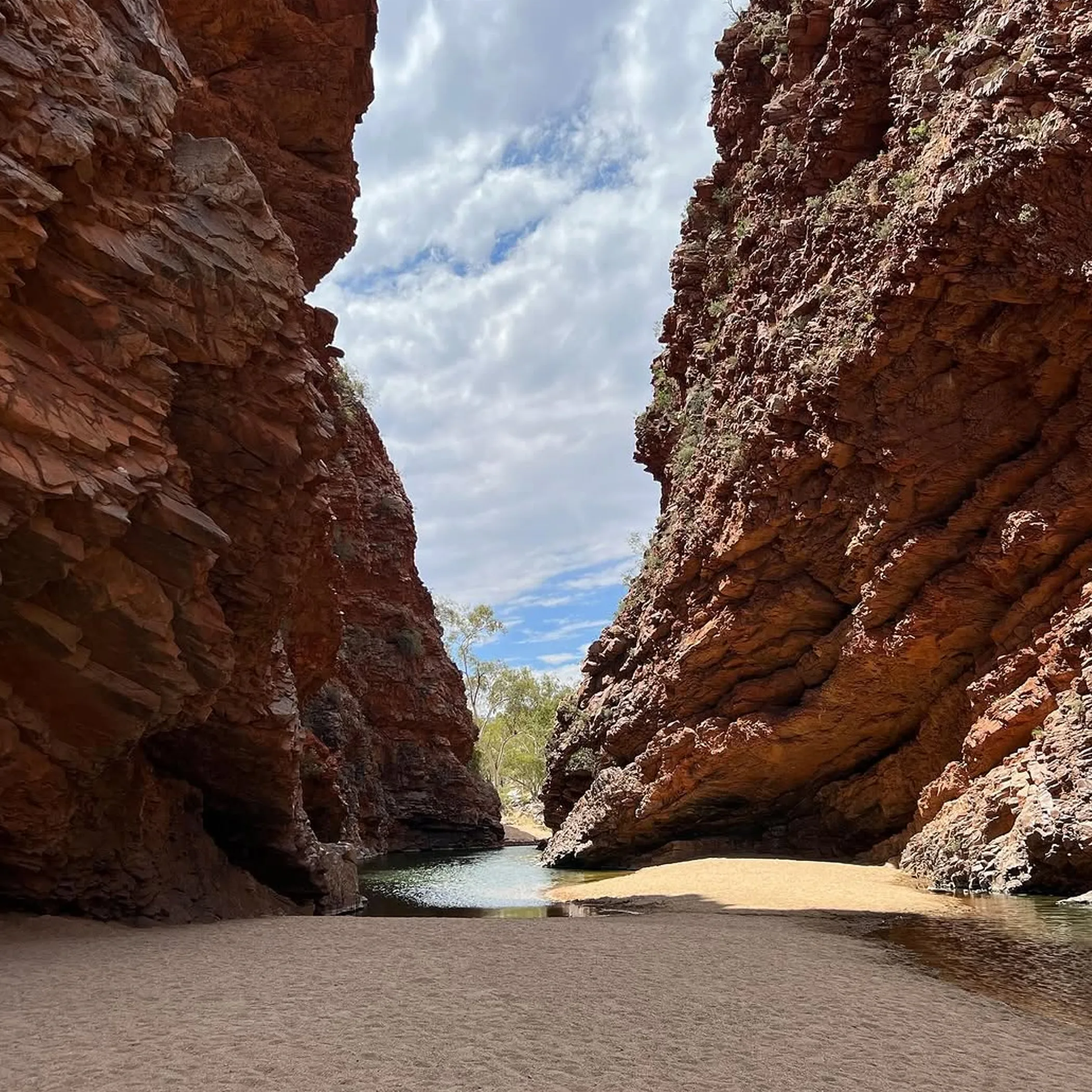
Running from May to October, this is when outdoor plans in Litchfield, Kakadu and Darwin are simpler to put in place with the air less humid and rain less of an issue. Over in Alice Springs and Uluru the afternoons might be agreeably warm but the nights will be cold.
You can have your camp meal or cultural tour without worrying over whether the sky is going to come down. There will be dust and flies and the odd mozzie and some heat, but it is a more direct way to travel.
The Case For The Dry
Across the Top End the lack of rain means better access to the more sought after attractions and walking tracks. Unsealed roads are firmer, creeks do not have a mind of their own and a guided tour is more likely to run to plan. These are patterns of the season, not a guarantee, and local closures are still to be taken into account.
Camping is of a higher order of comfort, away from the day’s peak. But in the Red Centre clear skies will see temperatures drop off from afternoon to morning. Put on some layers, do not assume it is going to be hot from breakfast till you are in bed.
Some Trade-Offs
Do not think “dry” equates to cool in every corner of the Territory. Darwin stays warm and the October heat can wear on you. During school holidays and the height of winter travel you will find popular haunts as crowded as a sardine tin.
And with high demand comes higher prices for accommodation and tours, with availability gone in a flash. Look at the cost in Australian dollars and make sure you know what is covered for entry, meals and transfers. A room a few kilometres out may seem a bargain until the fuel adds up.
Travel In The Wet
From November to April the wet season takes hold. The Top End is hot and humid and subject to heavy rain and thunderstorms and the roads can change in an instant. Some of the wetlands and waterfalls are more dramatic for it, others just close.
An experienced traveller with a camera and a flexible itinerary will be well suited to it. Not so much if you count on every unsealed route and swimming spot being available. Nature is not going to read your booking confirmation.
What The Rain Changes
Then there is the matter of the rain. A creek in flood can put an end to a road and put you behind schedule on the way back. What is a short distance on paper can become a long day once you have to put in the time for a detour, a closure or to wait for water levels. And with mobile reception all but absent in some of the more out of the way places, it is wise to have your maps downloaded and let someone know where you are headed.
Then there is the humidity which will test you physically. A track of no great length can be hard work when the air is thick, there is little in the way of shade and your clothes will not dry. Make an early start on any exposed walks and put in regular drinks; do not think that because you know the distance the difficulty is a given.
Wet Season Benefits
The rain has a way of altering the scenery. You will find the Top End is quieter and greener, with billabongs, waterfalls and waterholes at their fullest. Some make of the reduced numbers of visitors and the unhurried pace.
Take the Kimberley as an example: while northern Australia’s seasons will have an effect on tour operators, river crossings and roads in like manner, one must not be under the impression that a road in the Northern Territory is open and fine in Western Australia or that a dry season rule is universal. Every region has its own conditions and opening dates.
Top End Parks
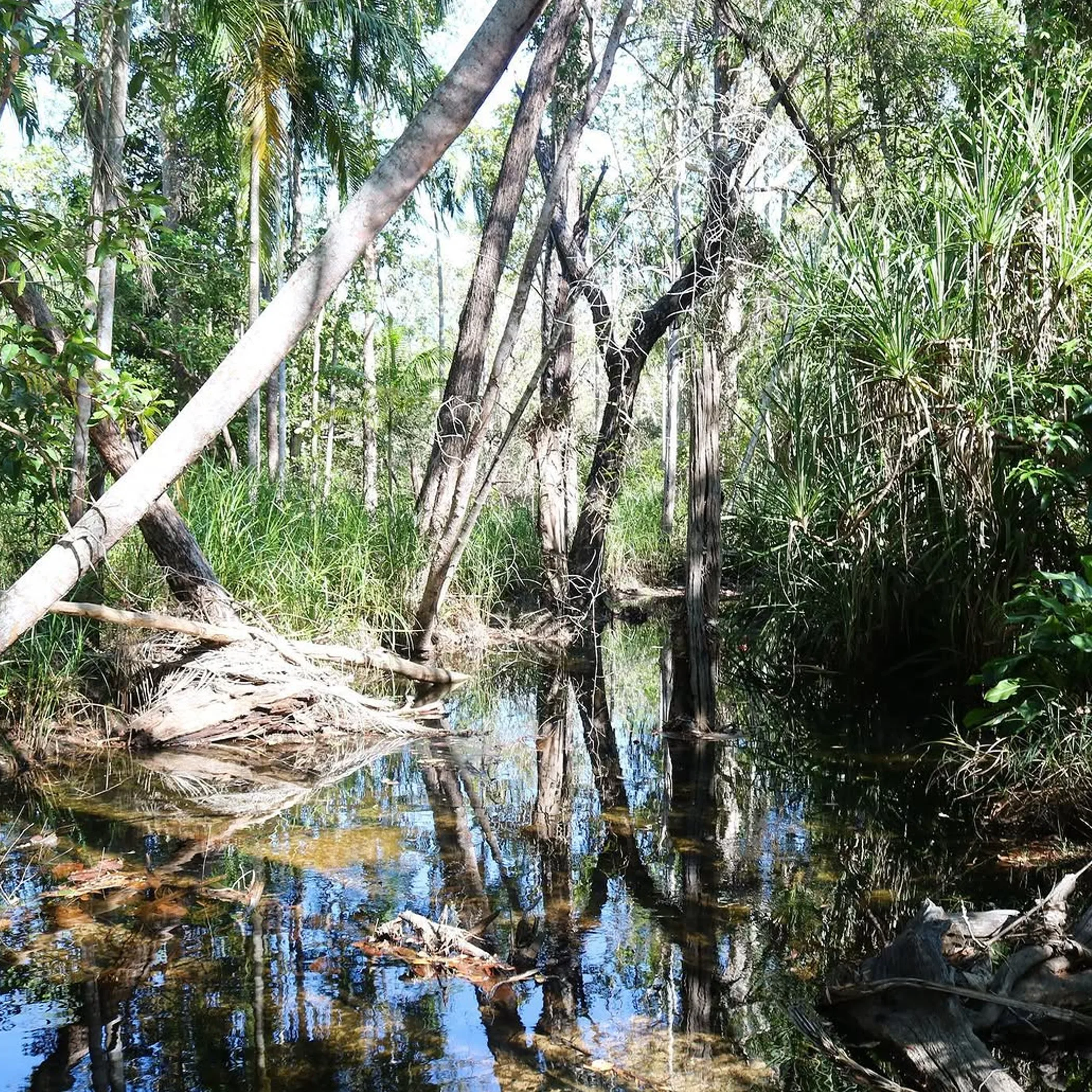
There is no one way to approach Kakadu, Litchfield or the parks near Katherine. The dry season is normally best for Darwin and Kakadu as it puts cultural attractions, lookouts and walks within reach. In the wet season a good trip is possible provided you pick areas that are open instead of making plans around something that could shut down. Put stock in what Parks Australia and NT authorities put out, not an old blog or what you may have been told at the pub.
Kakadu National Park
Your priorities will dictate the right month for Kakadu. For cooler nights and the kind of access you can count on, June through August is hard to beat. May offers a nice compromise of bettering conditions and greenery after the rains; September and October are for those who do not mind the heat.
Do not attempt to rush Kakadu in a day from Darwin if you want to see more than the surface of things. Factor in the drive and what the weather and road may throw up, and do not put in a strenuous walk straight after being behind the wheel. Four-wheel-drive does not mean you can forgo checking conditions, and on some routes you will need a vehicle with the clearance for it.
Litchfield and Katherine
A day at Litchfield from Darwin is easy enough, unless the season or your picks say otherwise. Flooding, debris or wildlife can put an end to swimming and waterfalls. Heed the signs and any closures, regardless of what other motorists do.
For a Stuart Highway run of some length, Katherine is a good base for Nitmiluk National Park. But boat cruises and gorge activities are not the same year round so get your departure and return transport sorted in advance, especially when you are without a car.
Red Centre Parks

April to October is generally the time to be in Alice Springs and Uluru, before summer gets to its hottest. Come winter you will be shivering by the billy in nothing but your summer gear.
Uluru-Kata Tjuta and the rest of the Red Centre present long distances to services and not much shade. An early morning walk is most agreeable. The desert around Alice Springs is subject to quick changes and a wind can put an edge on a warm evening.
Uluru and Kata Tjuta
Set aside a full day for Uluru and another for Kata Tjuta if you do not want to be in a hurry. The sunrise and sunset spots will be crowded so give yourself time to park and get to a vantage point clear of the traffic.
In the desert you cannot go by the kilometre alone; the ground, the wind and the heat will take their toll. Have a hat and proper shoes on and plenty of water. And be mindful of Anangu culture and any guidance the park has on photography and off limits areas.
Alice Springs
For bush walking, the history, the galleries and the expanse of country, Alice Springs is well suited. With only a day, resist the urge to tick off every lookout in the area. Pick a nearby experience and leave yourself time to get back.
A remote drive is not as straightforward as it looks and calls for some forethought. There is not much in the way of fuel, the distances are considerable and road trains will want their space. The Stuart Highway is a main thoroughfare yet one has to be mindful of fatigue, wildlife and the vagaries of the light. It is better to put in a break or have the other driver take over than to make up for time lost by rushing.
National Park Conditions By Season
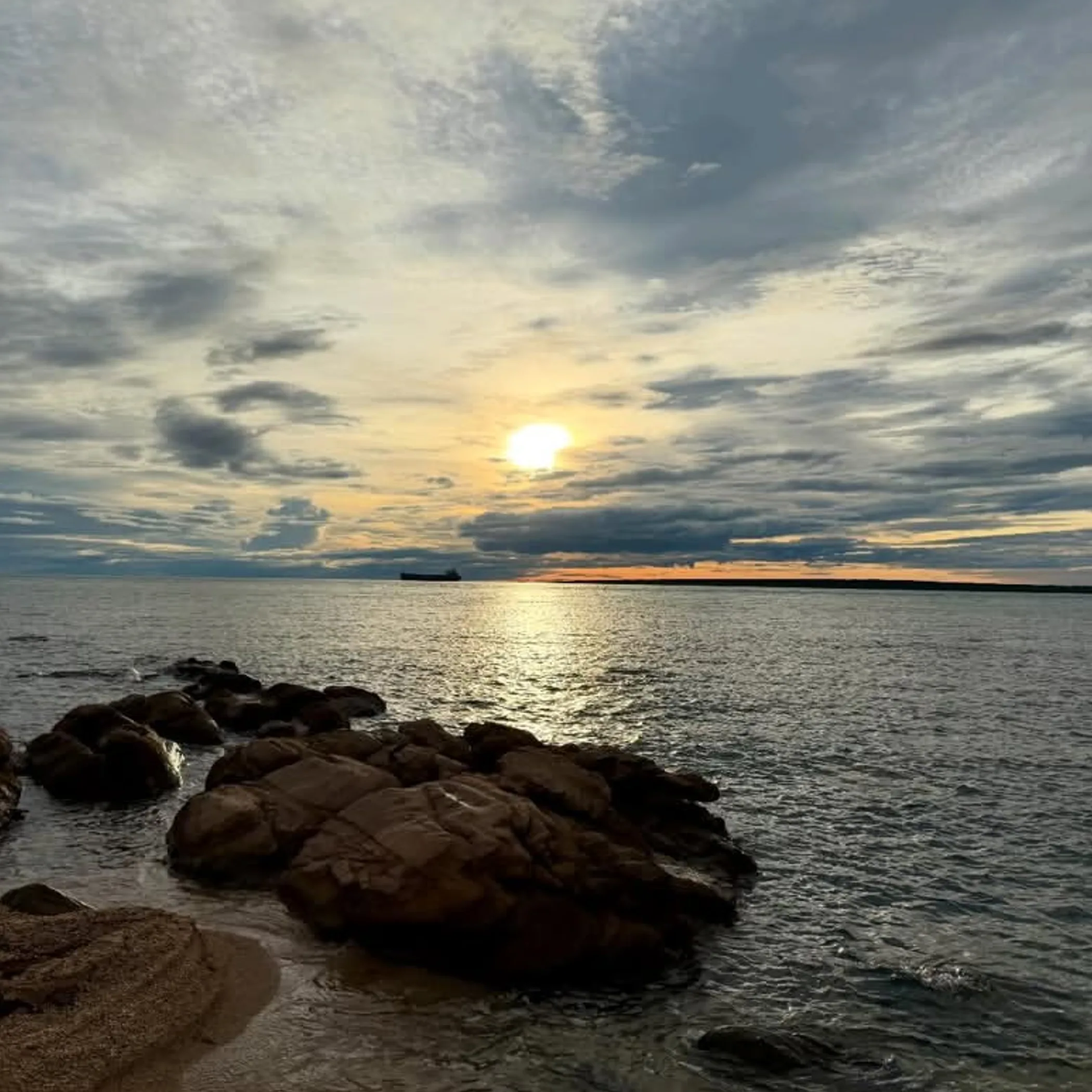
It is not just a matter of temperature when seasonal conditions set in; they have a bearing on the state of the roads, how safe it is to go for a swim, walking conditions, the comfort of one’s camp and even if a ranger deems an attraction open for business. Do not think of park access as something that is always there.
| Season | Typical Experience | Best Suited To | Main Watch-Outs |
|---|---|---|---|
| May to June | Warm weather, better access, wet-season water still about | Road trips, waterfalls, walking and the like | Occasional track or road closures |
| July to August | You can count on dry-season travel, Red Centre nights are cooler | Those making a first visit, multi-park or camping excursions | Cold mornings, high demand |
| September to October | For the most part dry but the heat builds | Experienced walkers who do not mind an early start and want to avoid the winter hordes | Dust, lack of comfort at midday and the risk of heat stress |
| November to April | Country is greener with storms and humidity, flooding possible | The flexible type after a quiet park or a waterfall in season | Closures of roads and attractions, lightning, cyclones |
These are generalities, not a guarantee. One district will see different rainfall from another and year on year it changes. Make a point of looking at official park alerts, weather and road reports and any permits needed before you leave. Parks Australia’s Kakadu National Park visitor information can help with planning.
Pack Smart And Stay Safe
With the right preparation the Territory is all the more pleasant and one is less likely to have a scenic walk become an emergency. Precautions such as an eye for wildlife, ample water and knowing where the closures are are essential in the NT.
The packing list ought to be commensurate with the route and the season. A plan for a holiday may include both a short urban stroll in Darwin and a remote outing near Alice Springs but the two are not to be treated alike.
- For travelling in the bush have on hand a phone with charge and another means of communication, as well as sun protection, insect repellent, drinking water, a first-aid kit and something to navigate with.
- Dress in closed footwear and breathable material, a wide-brimmed hat and in the Red Centre put on a warm layer for the night or morning.
- Before setting out review any fire or crocodile warnings, swimming and road advice and cyclone alerts.
- Put away your food, show watercourses some deference after a rain and stay clear of wildlife.
- See to the NT Parks Pass and any Aboriginal land permissions or camping that is called for.
Know Your Travel Limits
This is for the traveller able to put up with long days behind the wheel, dust and heat and to negotiate uneven terrain. Not for the novice wanting to go it alone in the wet season, nor for those with a medical issue made worse by the heat without having put the matter to a health professional.
I was taught early on in the Australian heat how fast a nice walking plan can come undone. The distance does not tell the whole story. Be sure to let someone know of your whereabouts, have more water than seems prudent and get an early start. There is no substitute for some organisation, it will put you in better stead than any tale of a helicopter rescue.
Transport And Access
For the majority of Top End itineraries one makes his way from Darwin. Options are to hire a car or sign up for a coach or specialist 4WD tour. A car of your own is flexible, provided you have perused the fine print; you will find unsealed roads and river crossings are often not covered.
Most make their way by car from Darwin to Litchfield or Kakadu, and from Katherine there is good access to the Stuart Highway and Nitmiluk National Park. The Red Centre is another matter entirely: between Alice Springs and Uluru there is considerable ground to cover. While you can park at the bigger sites, surfaces and availability are not to be relied on, so an early arrival is wise when it is busy.
Frequently Asked Questions
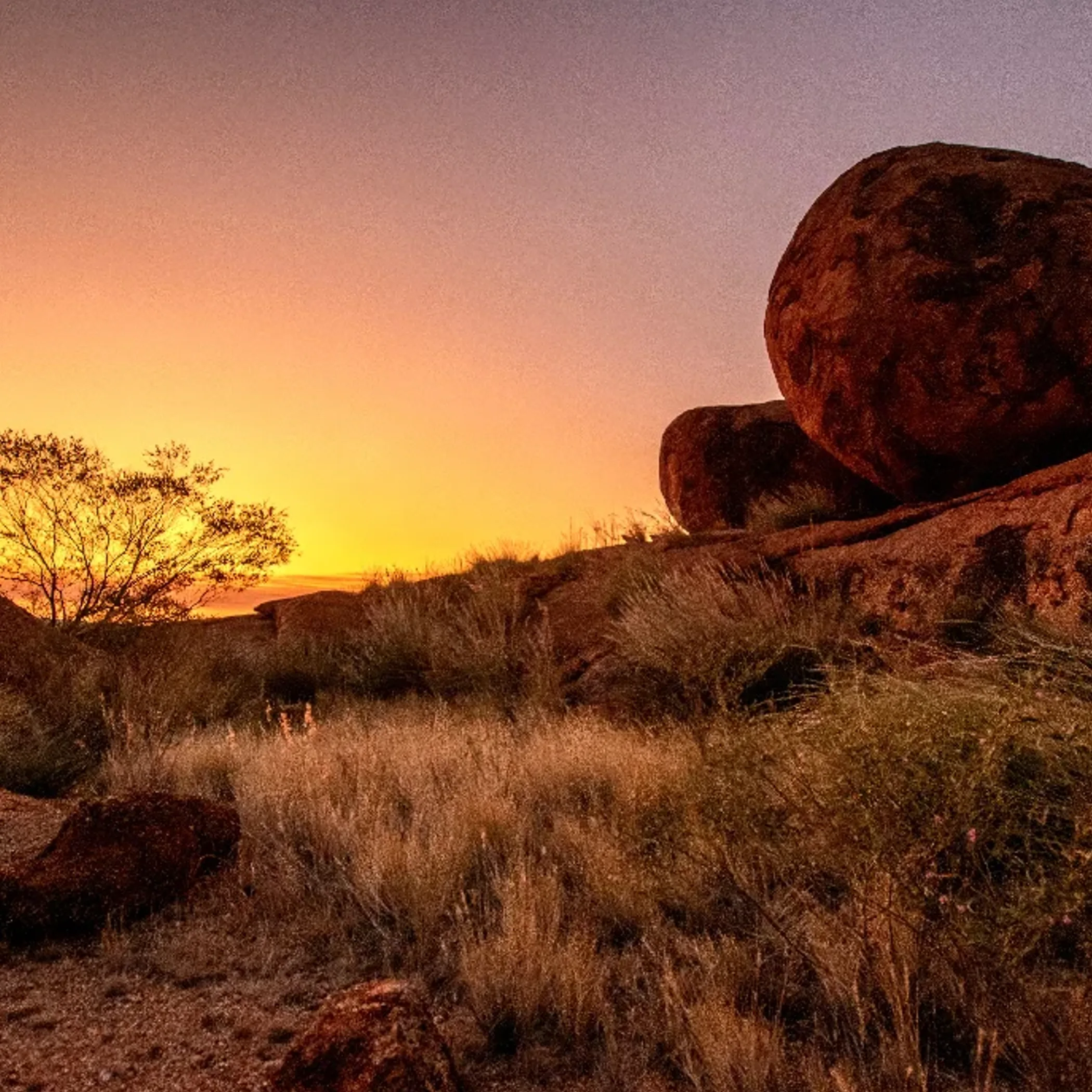
Travellers with an eye to a sensible itinerary that covers both the Top End and Red Centre put these questions to me. My answers are short and to the point, but do not put stock in them over and above what current park conditions dictate before heading out into the back of beyond.
Darwin: When To Avoid?
One can go to Darwin any time of year, yet November through April is the most uncertain for touring the national parks. There is the heat and humidity to contend with, not to mention tropical storms, cyclone warnings, flooding and the odd road closure. If you are at ease with a daily check of conditions and some flexibility in your schedule then the wet season is fine.
The Kimberley: Best Time To Make The Trip?
April to October is the norm for the dry season in the Kimberley, when getting about on the roads and to the camps and tours is less of an issue. But do not think of it as an add-on to a Darwin excursion; the conditions are not the same as in the Northern Territory. Put in the time to look up Western Australian park and road info on its own merits.
Kakadu: Which Month?
First timers will find June, July and August to be reliable where walking and access are concerned. May is often very good once the roads and places of interest have been put back in order, September is workable if you get an early start. In the end it is a question of how much heat you will put up with and what the rainfall and closures are like.
Uluru: When Is It Best?
You will be more comfortable at Uluru and Kata Tjuta from May to September, particularly in the morning. Expect some cold in the June/July nights and mornings, or warmth come September. Sun protection, water and layers should be with you all year round.
Darwin’s Dry Season
That would be May to October for the most part. You will see less rain and lower humidity than in the months of November to April, but it is still warm. Relying on seasonal averages is not the same as knowing what a given day will bring, so keep an eye on the forecast and any park alerts.
Make Your Plans Accordingly
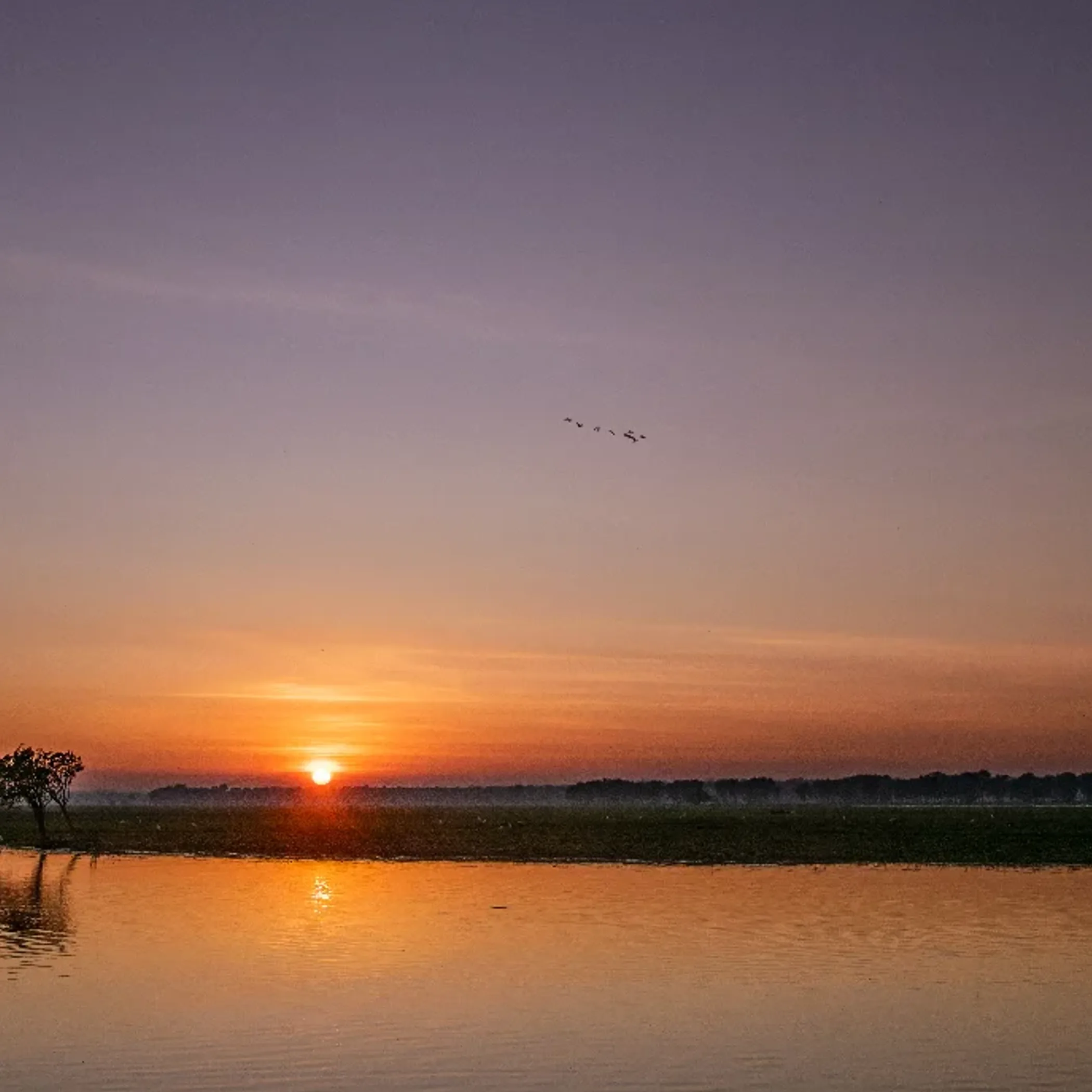
A first time around the Northern Territory parks is best done between May and October, June to August being the most predictable. The wet season has its compensations if you are prepared to alter course and have the patience for it. Let the season dictate the trip, not the other way round. Be croc-wise, heed any closures and put in the preparation the Territory expects. The mozzies may have something to say about it but you will be glad of it later.
