For a permanent makeup procedure one is better off in autumn or winter as a rule of thumb in Australia. The cooler clime and reduced humidity and sun make for less of an ordeal when it comes to aftercare. But do not assume any season is trouble free in every part of the country; there is the matter of Brisbane’s humidity or a Sydney heatwave, your swimming schedule and how your skin is inclined to behave.
Permanent makeup covers everything from a semi-permanent lipliner or eyeliner to a full lip blush or eyebrow tattoo. It is also worth considering vegan synthetic tattoo ink safety when choosing products. Since each is a form of controlled trauma to the skin, the environment in which you heal is of some consequence. I am Henry Northwood and my way of dealing with such practicalities is much like planning a road trip: you check what the conditions are and put in the time for it, rather than making a personal issue of an unfavourable forecast.
What To Make Of Your Appointment
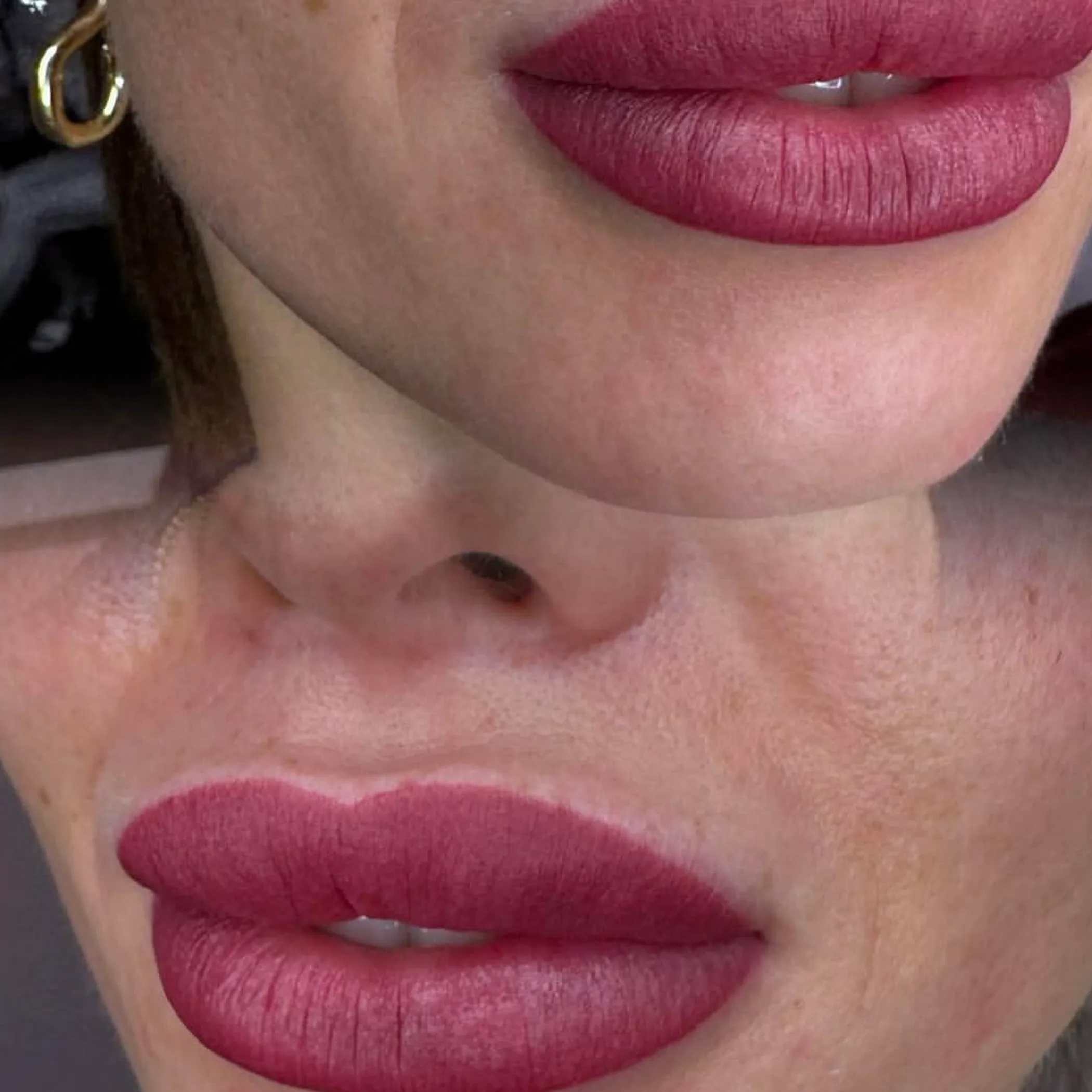
Australia-wide, cosmetic tattooing is most comfortably done in autumn. Winter will do fine too, provided you can shield the skin from dry wind and the odd burst of sun.
Then there is spring. While it has its mild side, the pollen and the vagaries of the weather and UV can be a bother for some when it comes to aftercare. You can have it in summer but between the sweat and the beach you are asking for irritation and poor healing.
| Season | Healing Conditions | Main Planning Issue | Best Use |
|---|---|---|---|
| Autumn | Moderate sun and for the most part cooler | The odd warm day or an outdoor function | An all-rounder |
| Winter | Not as much sweat or outdoor heat | Indoor heating, dry skin and wind | If you can keep out of the elements |
| Spring | Mild in places | Pollen and the UV are on the increase | With some sunscreen forethought |
| Summer | Humidity and heat are hard on comfort | The beach, strong sun and exercise | For those with a flexible schedule |
Do not take these patterns as gospel. A Melbourne winter is no comparison to one in Brisbane given the different climate zones. Have a look at the Bureau of Meteorology for the official word before you book.
The Case For Autumn And Winter
When the weather is cool you are not sweating so much and can put in some quiet time indoors to let the skin settle. It is simpler for aftercare in the first few days while things are still dark, tight or tender.
That is not to say lower heat excuses you from being careful. An overnight heater will leave the face and lips feeling rough and the wind in winter is drying. Autumn tends to be the easier option by virtue of having fewer extremes.
Cooler Air, Calmer Skin
Humidity and sweat are an irritation and they make it more difficult to keep clothing and hair at bay. Cooler air puts an end to that sort of thing, if not the need for good hygiene and heeding what the technician says.
“Calmer skin” is not a medical guarantee. Eczema, dermatitis, active acne or a propensity to scar can see the skin react regardless of the season. Put those concerns before a qualified practitioner.
Weather And Healing
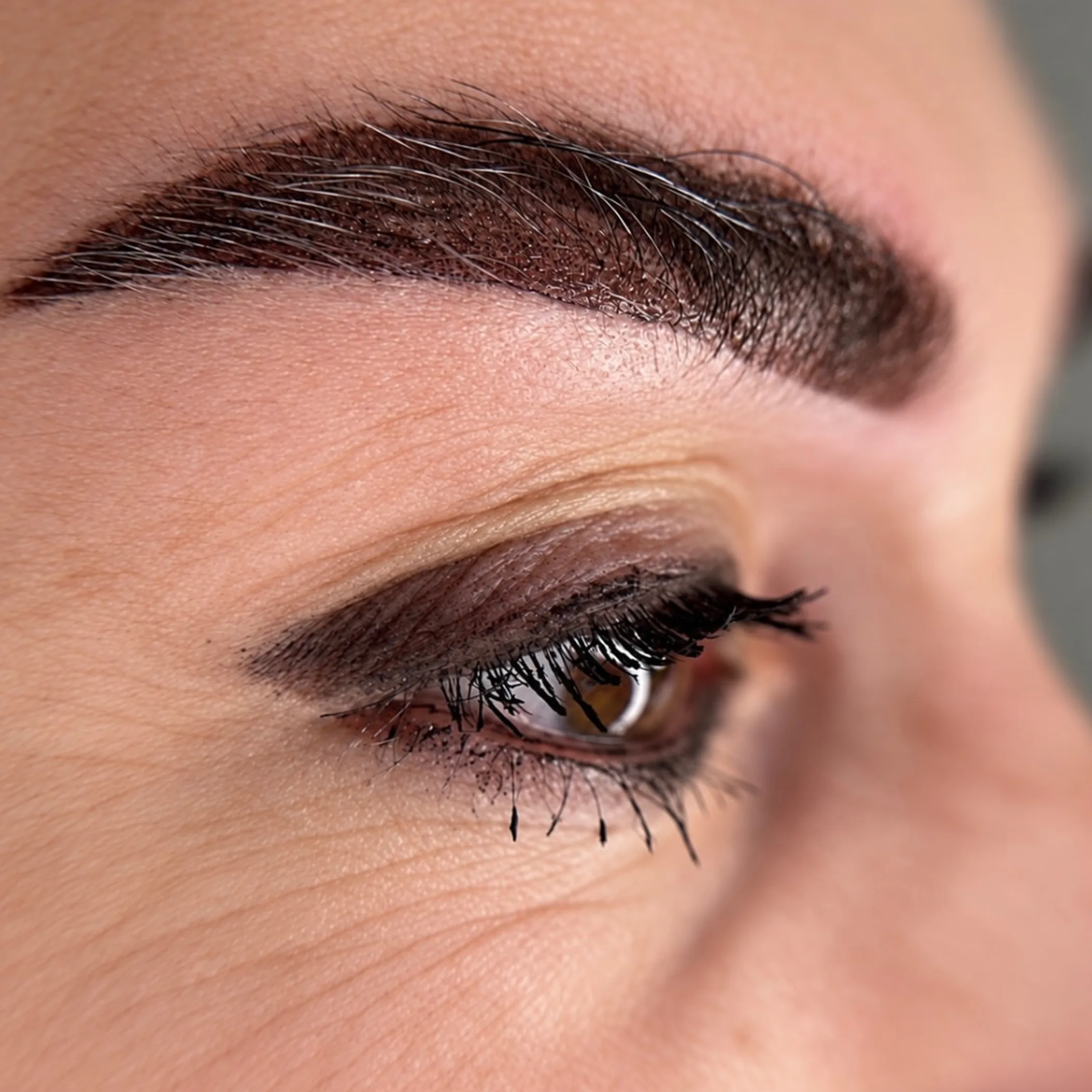
Your routine, the UV, friction and the heat will have their say on how well you adhere to aftercare. People have a habit of getting it wrong; they will decide on an autumn or winter appointment and then put it in the diary for the day before a long weekend at the beach. The season may be sensible enough but the diary is not.
Sun, Sweat, Humidity
You want to keep fresh work away from the sun. UV is bad for healing and can alter the pigment, something to bear in mind with exposed areas like the brow or eyeliner.
In humid parts like Brisbane summer is more of an undertaking. And in Sydney you can have a hot day well before the height of summer. A cool day does not equate to low UV so do not think of sunscreen as a licence to sunbake; stick to the plan your practitioner gives you.
Dryness In Winter
Wind and dry air are the bane of winter. Lips are prone to cracking. If a lip blush is on the cards make sure they are in good order and ask the practitioner what way to prepare. Leave the retinoids, exfoliants, acids and oils alone on the say so of a friend. One person’s good advice can be another’s problem; skin is not something to be put to a group vote.
Summer: Is it ever a good idea?
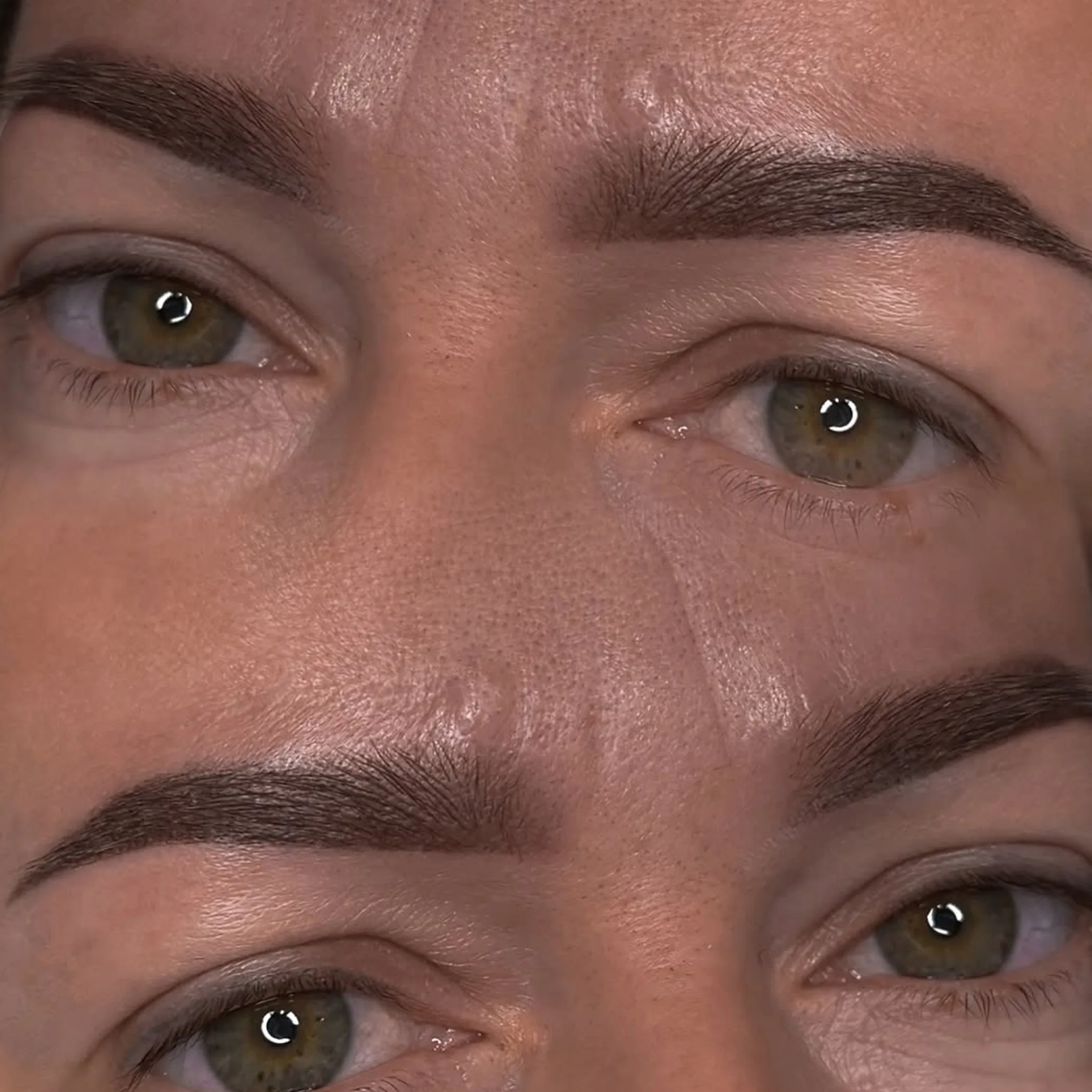
There is no rule in Australia that precludes permanent makeup in the summer, but one should not think of it as an automatic option. The season is less forgiving. A summer booking is feasible if you are able to forgo heavy sweating, direct sun, swimming or any dusty work of an outdoor nature while you are in the first stages of healing.
More often than not the issue is a practical one. You may have your eyebrows done only to find you have a surf lesson, a wedding or a coastal road trip on the calendar two days hence. Your event schedule is of no consequence to the healing process.
When Summer Can Work
For the indoor worker with air conditioning and a quiet routine who can stay off the beach, summer will do. An athlete, gardener or one of the regular swimmers would be better served by another time, as would anyone with a humid holiday in the offing. Should you opt for summer, make sure there are no major commitments at hand and build in some leeway for the odd swelling or redness and a protracted healing time. Put it to the practitioner as to how long you must keep water and sweat at bay.
Treatment and the seasons
What works for one part of the face will not for another. Eyeliner demands to be handled with care about the eyes, lips are prone to irritation and dryness, then there is the matter of sunscreen and sweat on the brows. The weather is only part of the equation; your lifestyle, medication and what you have planned should weigh just as heavily.
Brows, Lips and Eyes
Autumn and winter are generally more amenable for brows given the cooler temperatures and less perspiration. Do not book right before you are due for some hiking or a beach holiday.
With lip blush one is more comfortable when it is not unseasonably hot or dry. Those with a history of cold sores should enquire as to whether a lip procedure calls for particular professional counsel.
Eyeliner aftercare has to be meticulous. Stay clear of smoky places and anything that tempts you to rub your eyes. Any vision changes or undue pain and swelling call for a doctor.
Preparation
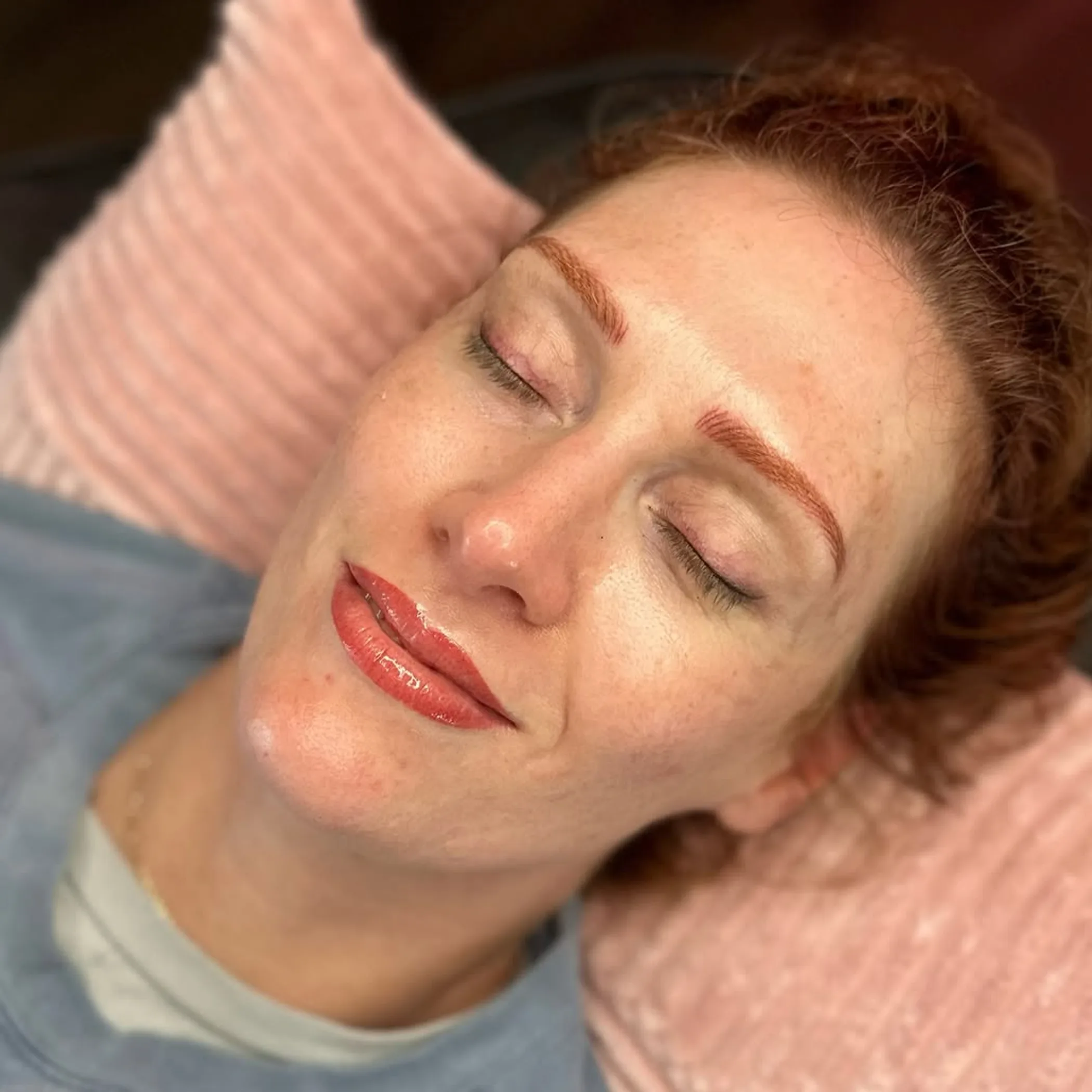
To put your mind at ease and give your skin a proper start, prepare well in advance. It will also show you if the appointment is compatible with the way you actually live and not some fantasy where weekends are always open and nobody breaks a sweat.
Make yourself acquainted with the treatment and what you can realistically expect from your skin. Enquire as to the practitioner’s training, his patch testing and touch up policy, the pigments used and hygiene standards.
A checklist for the appointment
- Pick a date that leaves you with a few low key days in its wake.
- The practitioner needs to know of any allergies, medications, pregnancy, breastfeeding, skin conditions or past reactions.
- Do not present with a fresh exfoliation or an irritated, sunburnt complexion.
- If eyeliner is on the agenda, have transport arranged home in case of eye sensitivity.
- Put off any plans for the beach, strenuous exercise or social events until the initial healing is over.
- Find out from the practitioner what is off limits, do not put stock in what you see on social media.
Prescribed medication is not to be discontinued without the clinician’s say so. The practitioner will let you know if the treatment has to be put back. One does not wait for the needle to begin preventing infection.
Aftercare for the season
This is what safeguards the outcome. Adhere to the written word of the practitioner since every skin and technique is different.
As the pigment takes hold there will be some temporary alteration. It can seem pronounced at first and then go lighter or uneven in the course of healing. Resist the urge to pick at scabs and do not be in too much of a hurry to pass judgement.
Making adjustments
In the autumn guard against dust and the odd sunny day. In the winter heed the professional advice on dryness and do not let a wool scarf or beanie chafe the new work.
Sun is to be taken seriously in the warmer months. No ocean, pool or spa and no excessive sweating until the practitioner gives the all clear. Use nothing but the products put forward to you and do not rub the area.
- Wash or handle the area only as instructed.
- Keep the treated skin away from unnecessary water, sweat, friction and direct sun.
- If things are not getting better but worse, get in touch with the practitioner.
- For fever, pus, severe pain, vision issues or redness that is spreading, see a doctor.
Once the skin is sound and your practitioner has given the all clear, sunscreen becomes a necessity. But be mindful of the timing; put products on too soon and you will irritate what is essentially fresh work.
Scheduling A Touch-Up
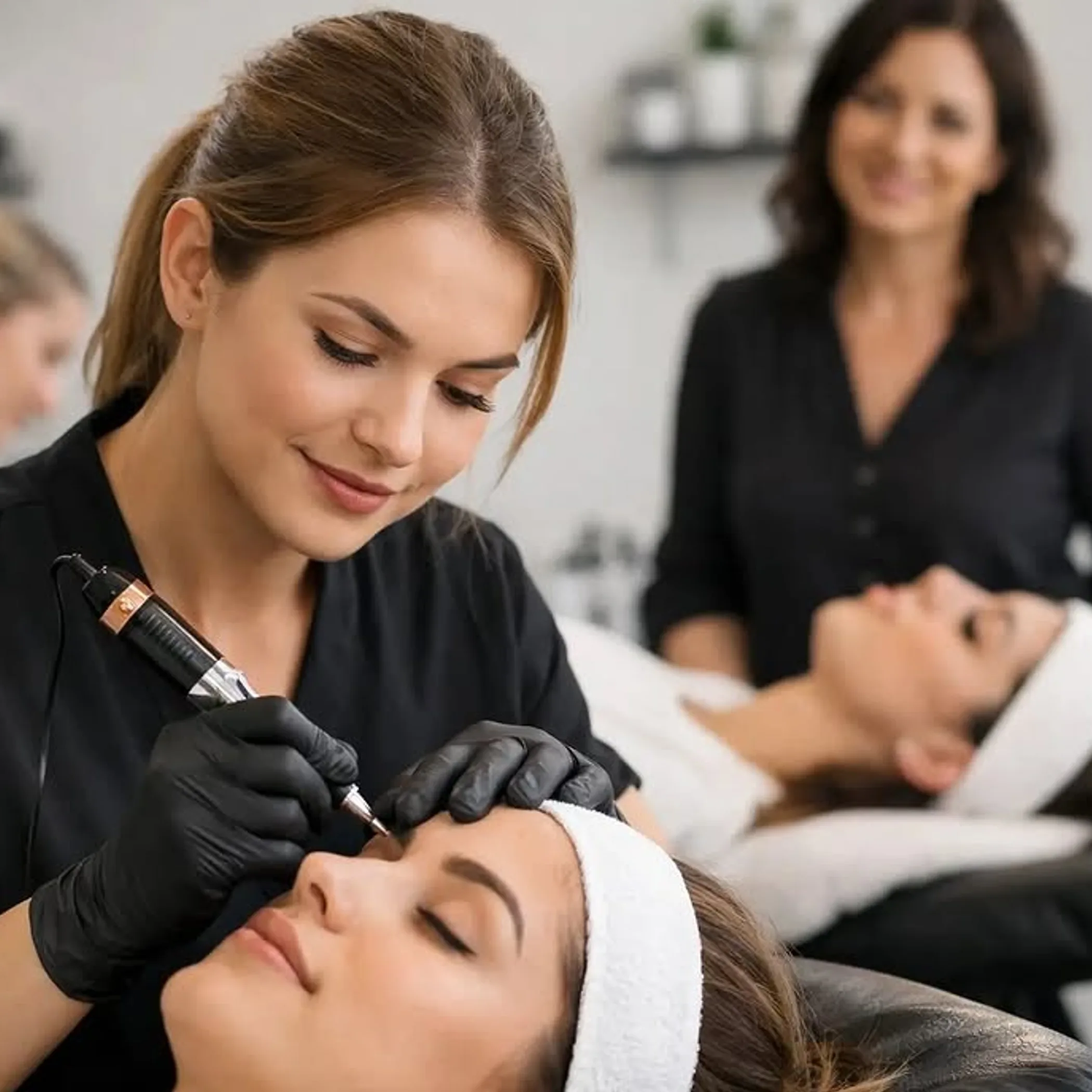
One does not book a touch-up until the healing from the first session has run its course. To do otherwise is to make it hard to tell how well the skin has come back or what pigment is left. The right time will be dictated by the technique employed, the type of skin, the treatment and the protocol of the practitioner. Even in a cooler season when an appointment may be more convenient, the same level of protection is called for against UV, exercise, swimming and sweat.
Be Flexible
An attractive spreadsheet is no reason to expect your healing to conform to it. Put off the touch-up if there is a wedding, holiday or presentation at work looming.
In the matter of safe cosmetic tattooing, one expects straight answers as to whether the price quoted covers a touch-up, the cost of extra sessions or what the policy is should the recommended window be missed.
The Basics Of Permanent Makeup Safety
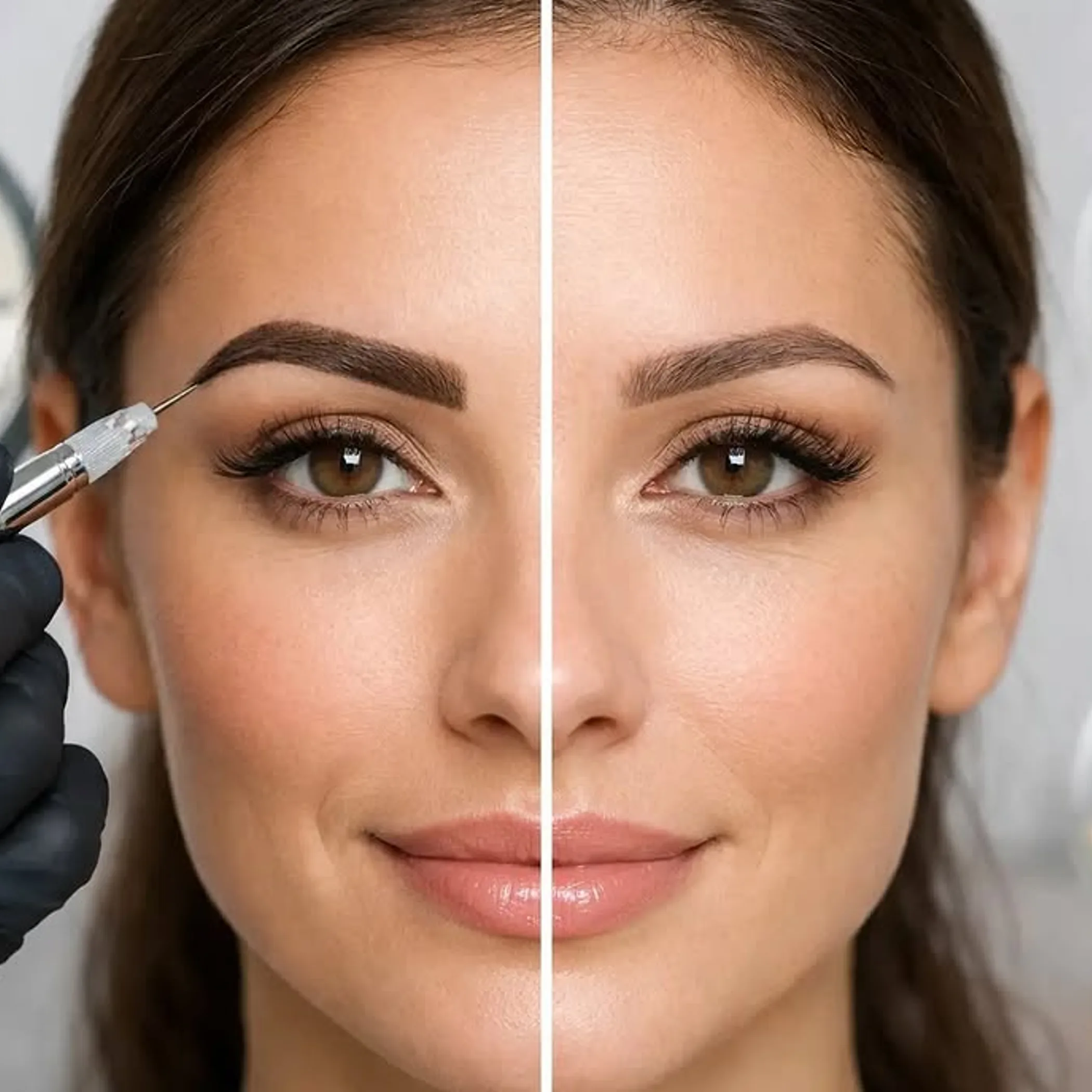
It is a cosmetic procedure that involves breaking the skin. The practitioner will have his or her sterile equipment in order, outline the risks and set out aftercare instructions. Questions ought to be asked regarding single-use items, pigments, cleaning and emergency protocols. As for vegan synthetic ink, a “vegan” label is not a guarantee of safety. Have a frank discussion with the practitioner about it and put forward any allergies. Request the batch and ingredient details and product name; the issue is suitability, not how friendly the label appears.
A Matter Of Caution
Those with a history of keloids, uncontrolled medical issues, active irritation or infection, or who are prone to allergic reactions would be well advised to get an individual opinion from a professional before going ahead. Certain health conditions and medications can influence sensitivity and bleeding.
Opt for someone with experience and qualifications in a clean environment who will let you decide with full information. If a provider is in a hurry to put your questions to rest or holds out the prospect of identical results on every face, take note.
Frequently Asked Questions
By way of general guidance we have put together some answers to the sort of thing people ask prior to booking, though this is not to be taken as a substitute for a proper assessment from a medical or qualified practitioner.
What to avoid in the run up to permanent makeup?
Any infection, sunburn or irritation in the area to be treated is to be avoided. Do not put something in the diary right before a beach holiday, a major event or strenuous exercise. Prescribed medication should not be discontinued without advice from a doctor, and the practitioner must be made aware of any allergies, skin conditions or past reactions.
What is most in vogue?
Brows, whether powder, hairstroke or a combination, are in high demand as are eyeliner and lip blush. But what is popular is not necessarily what is right for you; the prudent choice is informed by the practitioner’s view of your facial features and skin.
Will I look younger?
Some find the fresher look of a more distinct brow or darker lashes to be so. It is not a reversal of the ageing process nor a stand-in for other treatments. Done properly the result is balanced, not as if a ruler was used.
How long will it hold up on the face?
Call it long-lasting cosmetic tattooing rather than anything permanent. It is subject to your lifestyle, skincare, the sun and the like. The practitioner can give a realistic estimate of longevity and maintenance.
Is swimming permissible?
Not as a rule until the skin has healed and the practitioner says it is safe to be in the water. Seawater, a pool or spa can be a source of contamination and irritation for new work. Make the appointment suit your swimming, not vice versa.
Seasonal Considerations
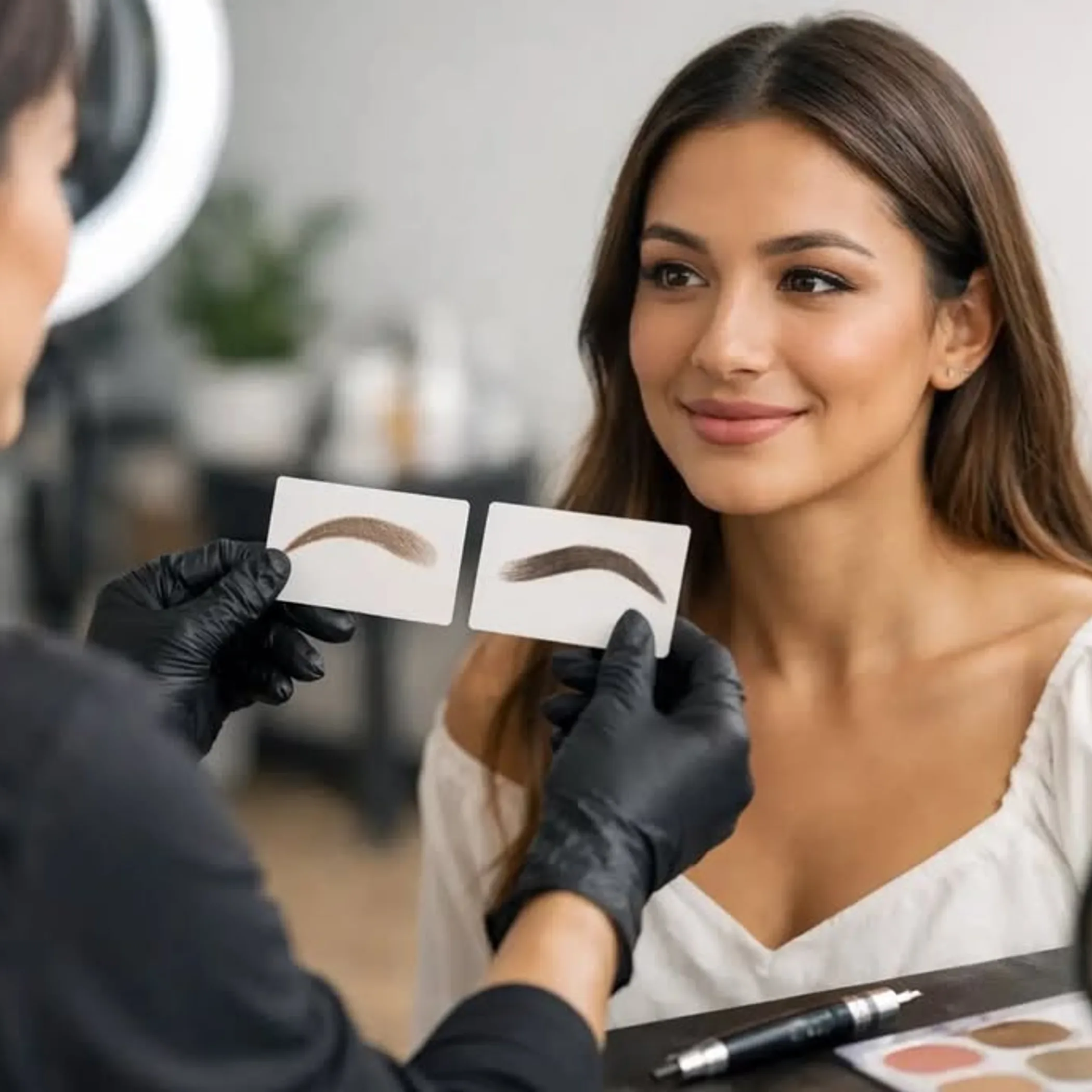
Autumn tends to be the most accommodating for an Australian, winter not far behind provided the wind and dryness are dealt with. Spring calls for some forethought with the UV and summer the most exacting when it comes to the sun and sweat.
But the best time is simply when you are not rushed to get a touch-up done and can put in the necessary aftercare. Pick the quietest part of the calendar, be direct in your questioning and let your skin heal.
