In the absence of a drought restriction, there are still everyday requirements in place to curb waste under the permanent water-saving rules that apply Australia-wide. For the most part these pertain to the use of potable water and rainwater systems as well as hard-surface cleaning, hand-held hoses, fixed sprinklers and the watering of gardens.
But do not mistake Australian water restrictions for a single national rulebook. The different states and territories have their own water authorities, councils, exemptions and levels of restriction. Henry Northwood will put you in the picture as to what is generally in force, what tends to trip people up and where one should look before putting the sprinkler on. For urban restriction advice, check the relevant local guidance.
A Practical Starting Point

The intent of permanent water conservation is to ensure urban water use remains sensible under normal conditions. They are in effect every day; temporary restrictions are an additional layer of tighter rules for when there is a drought, infrastructure issues, bushfires or strain on the drinking water supply.
Consider the permanent rules your baseline. From there a restriction level can be imposed which may mean shorter hours, set days for watering or an outright ban on some activities. It is easy to be caught out by the tap.
What Is Usually Covered
You will find permanent requirements such as operating irrigation at permitted times only, no hosing down of driveways and paths unless necessary and the use of a trigger nozzle with a hand-held hose. In some places vehicle washing, filling of pools and the use of potable water in construction or for cleaning are also regulated.
There can be variation between the metropolitan and regional parts of a state. One Victorian household might be subject to Yarra Valley Water or South East Water, another to a different council or local authority.
Rules By Jurisdiction
With six states and two mainland territories, water is handled by a mix of regional providers, water corporations, state agencies and councils. You might come across a very sure sounding answer to “the Australian rule” but it is likely valid for only one postcode.
The table below is a useful reference for the principal bodies, though it does not replace the notice in force for your property.
| Jurisdiction | Authority / Provider | What to check |
|---|---|---|
| New South Wales | Sydney Water, WaterNSW, local councils | Permanent measures, regional differences and present restriction levels |
| Victoria | Yarra Valley Water, South East Water and others | Staged restrictions, approved hours and water-saving rules |
| Queensland | Queensland Urban Utilities, Seqwater, local councils | Outdoor watering limits, drought and local water restrictions |
| Western Australia | Water Corporation, regional authorities | Groundwater rules, seasonal restrictions and sprinkler rosters |
| South Australia | SA Water and local councils | Permitted garden watering, water-source and current restrictions |
| Tasmania | TasWater and local councils | Regional exemptions, declared shortages and local restrictions |
| Australian Capital Territory | Icon Water, ACT Government | Stages of water restriction and outdoor use |
| Northern Territory | Power and Water and local authorities | Emergency and dry-season rules specific to location |
Less Water in New South Wales
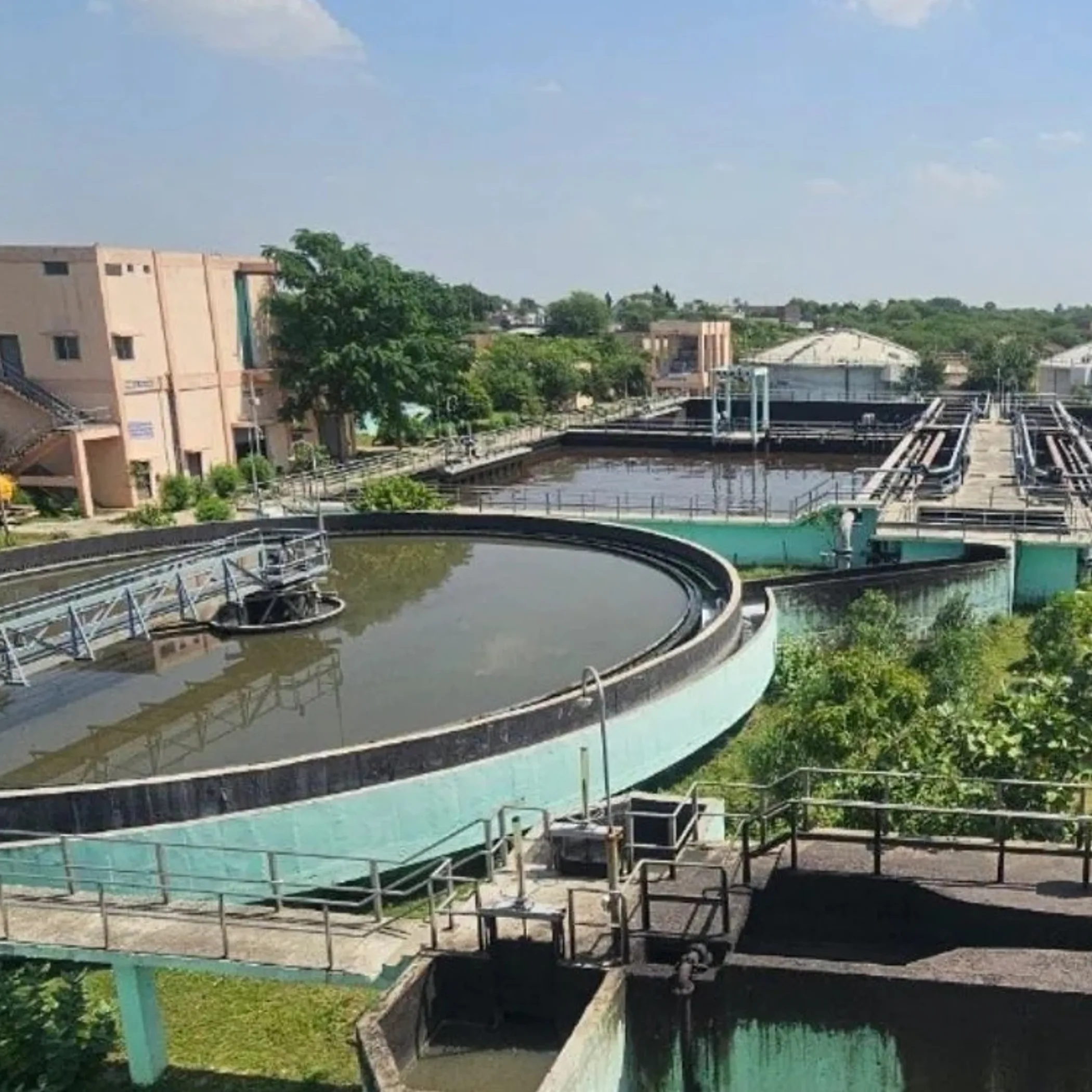
In N.S.W. you have a combination of local rules from councils and providers and state-level management. While a Sydney home will take its cue from Sydney Water, those in the regions may have to go to WaterNSW or a local supplier. Do not make the assumption that what is allowed in Sydney holds true for the whole of the state; a garden in the Northern Rivers, Central West or South Coast could be under a different notice if the drought is making inroads on local drinking water.
Know Your Source
Make a note of whether the water is from the mains, a bore, recycled system or rainwater tank. Although permanent rules are mostly concerned with potable water, a temporary notice might cover other sources. And if the plumbing is not right, cross-connections between the mains and a tank can be a compliance headache.
When it comes to the garden, stick to the times and equipment the provider allows. A hand-held hose with a trigger nozzle is not viewed in the same light as an unattended irrigation system or fixed sprinkler, but the allowance is a local matter.
Victoria is Local

Take Victoria for instance, where a state rule is not enough without a check of the postcode. The water corporations in Melbourne will have their customer guidance, but in the regions the councils and water authorities put out their own information for the areas they serve. At any point Victoria can switch from its standard water-saving rules to staged restrictions. It is a distinction worth making: under normal circumstances an activity is fine, but a shift in the restriction level can see it confined to set hours or watering days.
Plan Around The Weather
One way to remain within the permitted hours is to water when it is cooler, which also curbs evaporation. That will put you off making the error of putting on the hose because the lawn appears done in when there is plenty of moisture in the soil.
In my time with regional visitor information I found the best advice was not always the most appealing; one should read the sign, check the local notice and factor in some time for conditions to alter. Water rules are no different. Put the authority’s present notice over what a neighbour is sure he remembers and be right every time.
Queensland Balances Heat
There is an importance to outdoor water use in Queensland given the heat, yet the rules in Brisbane are not the same as those in the tropics. You will find that Queensland Urban Utilities, Seqwater and the councils have something to say on the matter. A household in the state would do well to see if their property is in a declared area and if the notice has bearing on commercial premises, vehicles, lawns or pools. In the regions they may go about things differently to South East Queensland.
Respect Dry Conditions
Evaporation will see more water squandered if one waters in the middle of the day in hot weather. The reverse is true in the wet season where the ground is saturated and a downpour can send fertiliser and topsoil into the drains.
A rainwater tank is not carte blanche. While it is not potable water, the conditions of your plumbing and overflow are still relevant, as are mosquito control and any local restrictions. Should a notice leave room for doubt, put the question to the authority before turning on a pump or sprinkler.
Western Australia Follows Seasons
Permanent water-saving is often coupled with seasonal restrictions in Western Australia, particularly in and around Perth and other population centres. Most urban households will make a start with the Water Corporation but in the regions the rules are another matter. What is possible can be dictated by groundwater, local restrictions or a sprinkler roster. The north of the state has its own wet and dry season dynamics and cyclone alerts from November to April are enough to cause flooding or put infrastructure out of action.
Do Not Guess The Roster
This is not a general suggestion. To put a sprinkler on when the lawn is flat as a pancake outside your assigned times or days is a breach. Hand watering is subject to different conditions than automatic irrigation so verify the days for your property before reconfiguring a controller and see if a bore or recycled-water system has its own stipulations.
Southern Rules Need Checking
To lump South Australia and Tasmania together is a short cut that does not hold up; the climates and the way decisions are made locally are quite distinct. One would be wise to look to SA Water, TasWater or the council.
South Australia Basics
Before any washing of hard surfaces or running of irrigation, a South Australian household ought to consult the council and current SA Water data. There can be separate arrangements for properties not part of the major urban systems, where private tanks come into play.
Tasmania Basics
What applies in one town in Tasmania may not in the next along the road. Restrictions are very much a local affair, so the address checker and a word from the council will serve you better than anything on social media.
Territories Need Local Detail
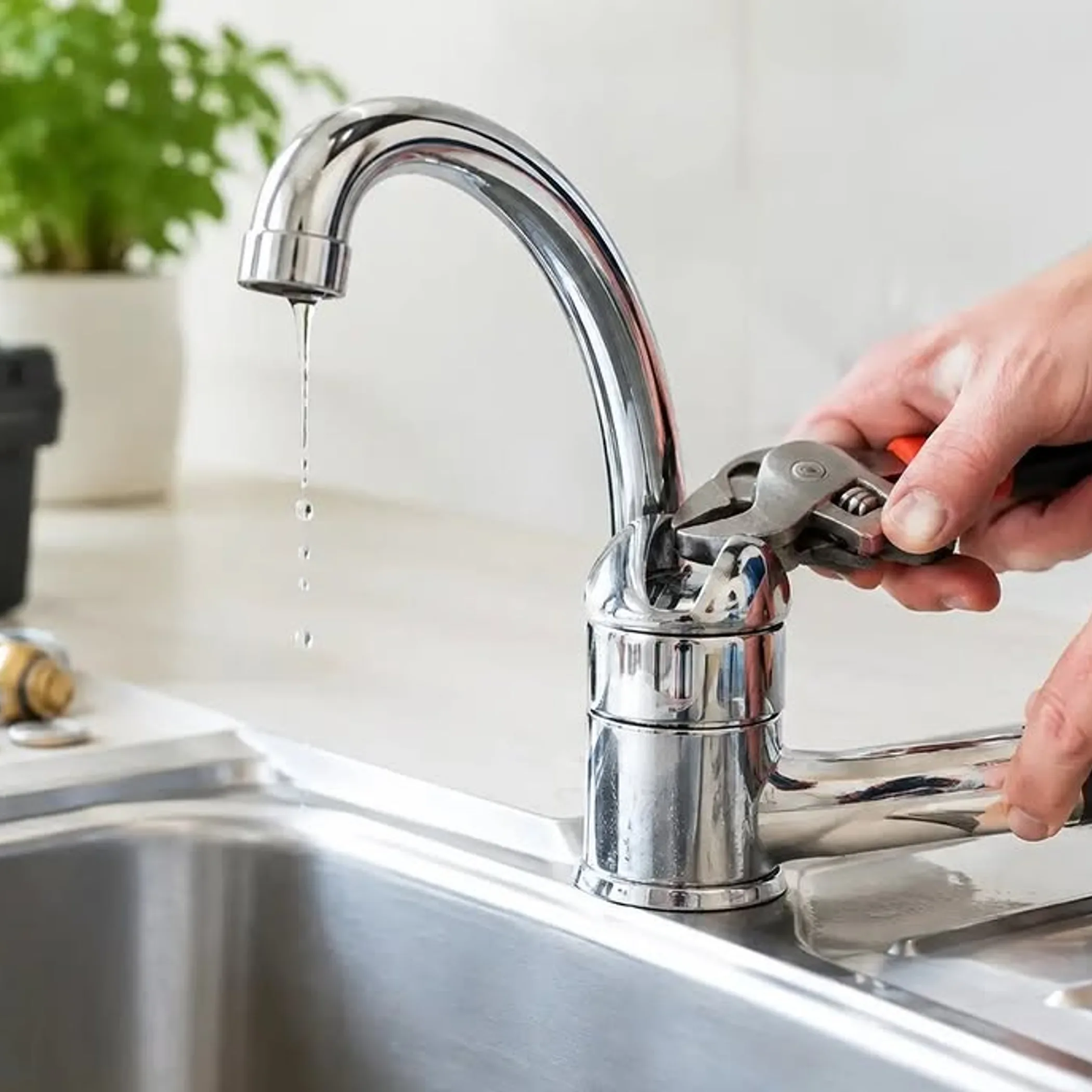
The ACT and Northern Territory are worlds apart climatically but in both you need to know the local lay of the land rather than follow interstate custom. Icon Water is the reference in Canberra, Power and Water in the NT.
Canberra And The ACT
An automatic system will keep going after the fact unless you put a stop to it. Check the stage of any declared measure in the ACT before you water or wash the car.
Northern Territory Conditions
The Top End has a wet and a dry season unlike the bushfire risk and cold winters of Canberra. In the NT the urban user has to contend with the heat and sudden storms, and service arrangements are not the same outside of Darwin.
Resident of the Top End would do well to be mindful of emergency directions, local supply and any seasonal notices. In the wet season one can be caught by a sudden influx of stormwater; in the dry it is the other way round with supplies under more duress and gardens demanding water. There is a simple rule: be croc-wise in and around waterways and flooded country, and make sure you have checked before you put your hand to anything.
Watering: Check Restrictions First
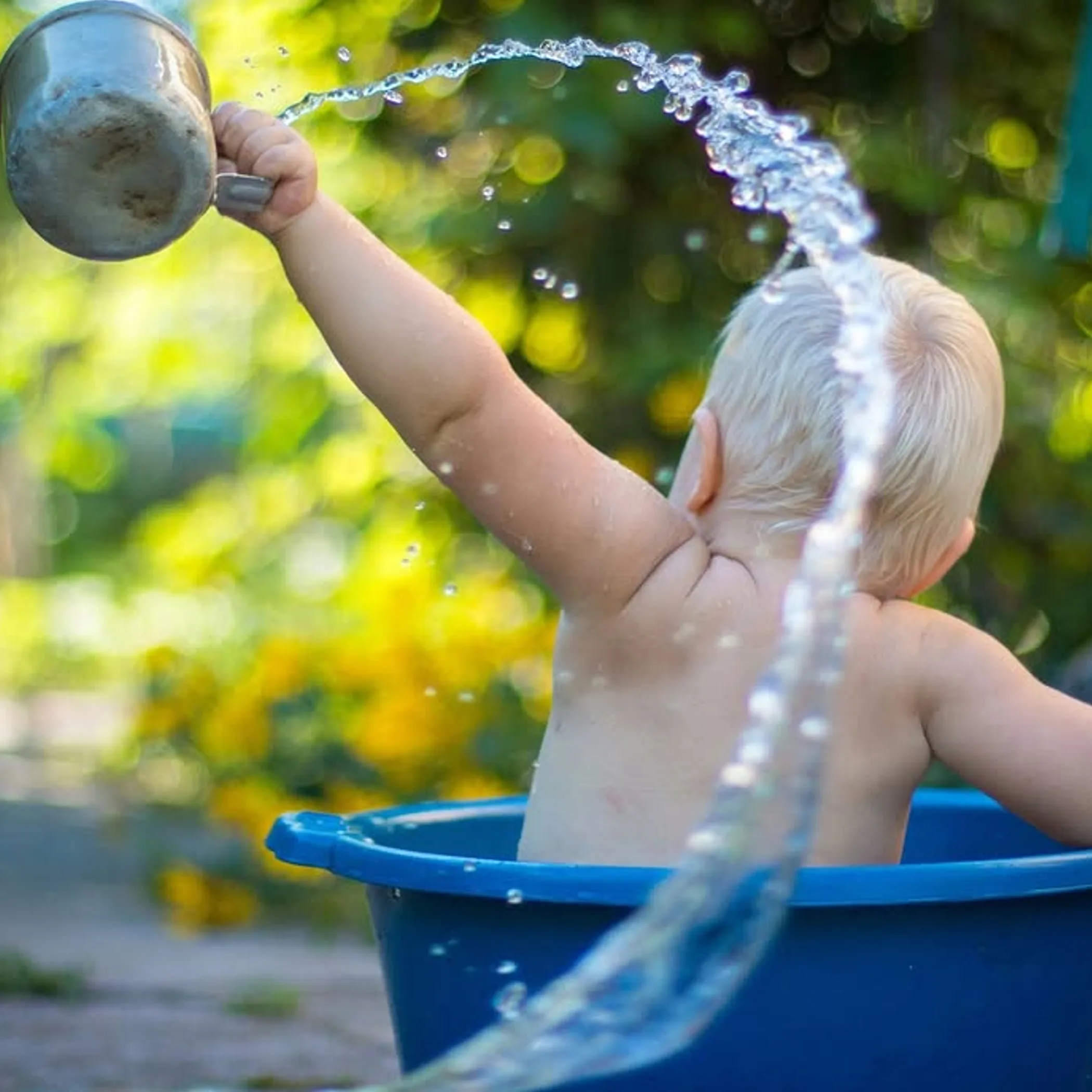
If you intend to put out a lot of outdoor water, the best way to preclude an error is to consult the official source for your address on the day in question. A case in point is to look up the provider from your bill and see if their notice is applicable to your property type, suburb and water source.
For a sense of national water conditions and resource reporting the Bureau of Meteorology has useful information. It will not supplant a local restriction notice but is a good reference for what is happening across the country.
A Compliance Checklist
- Put your water authority or council to the test.
- See what the present restriction level is at your address.
- Determine the source of your water, be it potable, from a tank or bore, or recycled.
- Note the days and hours you are permitted to water.
- Where called for, fit a trigger nozzle to hand-held hoses.
- Shut off any automatic irrigation in the event of a restriction or rain.
- Have on hand proof of any exemption you may have to water restrictions.
- Unusual work like filling a pool or pressure cleaning should not be undertaken without first asking the authority.
On Fines And Exemptions
The penalty is a matter for the jurisdiction, the provider and the offence as per the current notice; expect warnings, infringement notices or some form of enforcement. Do not go by an old figure you might have from a neighbour or a forum, fines have a way of changing.
Exemptions are not given carte blanche. While they may be available for new turf, fire protection, health matters or certain businesses, one often has to apply and abide by extra conditions and keep the documentation.
Some Common Questions
We have put answers here to the sort of misunderstandings that lead to trouble. Should the answer involve a sizeable quantity of water or a potential fine, put it to the relevant authority before you go ahead.
What constitutes permanent water-saving rules in Australia?
Ongoing requirements to curb waste in ordinary times. Hoses, sprinklers, vehicle washing and hard-surface cleaning can all come under regulation. The specifics are left to the various providers and jurisdictions.
Which states have them?
You will find permanent measures in many places but the coverage and the language are not uniform. Some are statewide, others pertain to a metropolitan area or network alone. Do not assume a state-wide system, check the notice for your property.
Is garden watering permissible?
As a rule of thumb yes, though the timing and equipment may be subject to control. Hand-held and fixed sprinklers or automatic systems will have their own stipulations and a temporary restriction could further limit what you can do.
When is the time to water?
There is no national standard. One authority may bar you from irrigating in the heat of the day, another will have rosters or staged rules. Your provider will have the exact hours.
Are the restrictions universal?
Hardly. They are dictated by the season, the supply, the council and the water network. You may find two suburbs a short drive apart are given different orders.
And the penalties for a breach?
They can be a fine or a warning, depending on the level of restriction and the authority in charge. Rely on the official notice and not something out of date.
Do I have to abide by the rules with my rainwater tank?
Not necessarily in the same fashion as mains water but do not think you are exempt from everything. Temporary notices, cross-connection and plumbing standards and health issues can still be a factor.
How to verify?
Your bill will tell you who your water authority is, from there check with the council and the appropriate government body. For those in the city, Sydney Water, Yarra Valley Water, South East Water, Queensland Urban Utilities, the Water Corporation, SA Water, TasWater, Icon Water and Power and Water will have the most pertinent advice.
Make it part of the routine
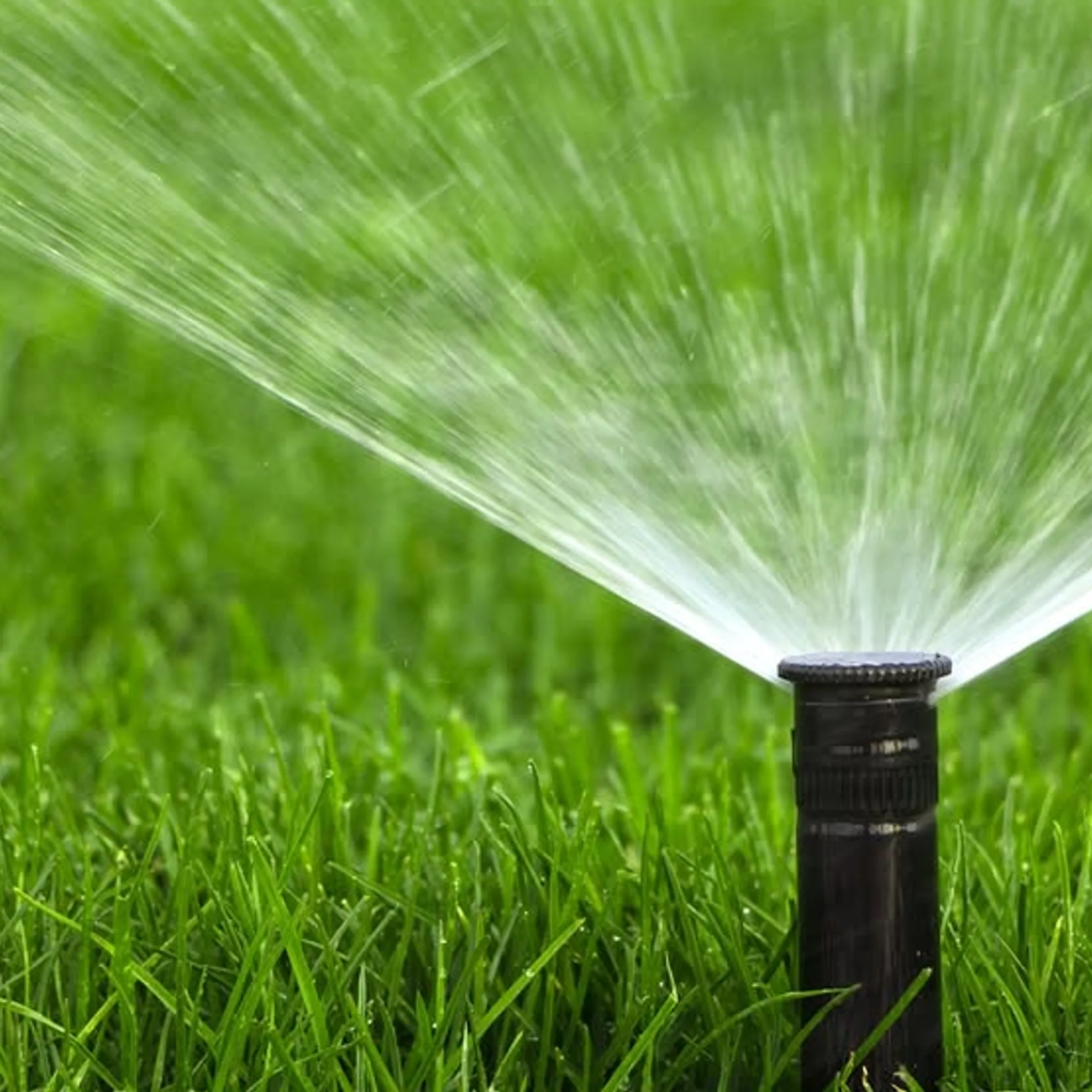
Treat the permanent rules as you would checking the smoke alarms or raking the gutter, an element of household upkeep. Get to know how your system works now rather than when a drought is declared. Keep the controller in good order and use mulch and soil moisture checks.
In the end it is plain sailing: identify your provider and the water source, then check the restriction level before you water outside. An official notice for your address is where to get your urban restriction advice. It is a few minutes’ work and will save you money, water and having to explain yourself to an inspector.
