There is a world of difference in the end result when it comes to the weather: one can yield a hard, uniform finish or a rough as guts, sticky and blotchy affair. Under Australian conditions the prudent course is to put sealer on a slab that is clean and dry, with the air and surface temperatures conforming to what the manufacturer specifies, and with no rain in prospect, light winds, limited sun and humidity in check.
For most projects you will find they go off without a hitch in the milder, drier hours of the day, say late morning or early afternoon once the dew has gone. These conditions often provide ideal regional sealing windows. Do not be tempted to seal in the face of extreme cold or heat, midday sun, strong wind or when a shower is likely to follow on your heels. Then there is the matter of the forecast which, as Henry Northwood has found, is only part of the picture; the slab itself may be hotter, wetter or colder than the weather station would have you believe.
What Weather Conditions Work Best?
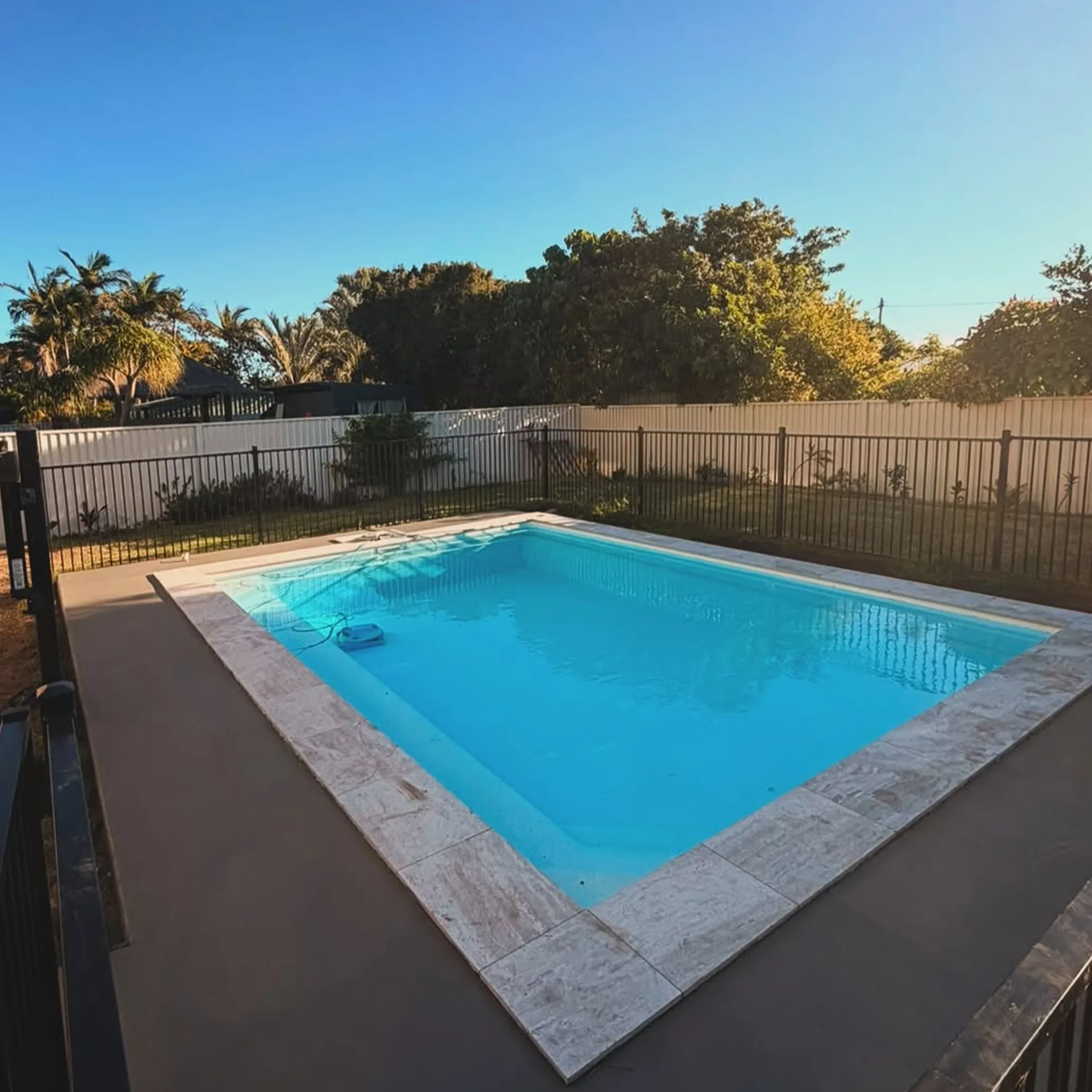
Stable, dry and mild are the hallmarks of good weather for the job. You are better served by a steady forecast than an hour of pleasantness sandwiched between a heatwave and a storm. The sealer requires time to do its work, to bond and dry and undergo any necessary chemical cross-linking unimpeded by water or condensation.
A look at the sky is not enough, yet many make the mistake of judging the suitability of drying conditions on a blue sky alone. Optimism is of no use to concrete. A slab next to a dark brick wall will run much hotter than the ambient air, a southern corner in the shade can stay damp till the afternoon. So before you start, have a good look at the slab for efflorescence, dust, curing residue or any other contamination. Check the temperatures, the wind, the rain and humidity. If the surface is cool to the touch or appears darker in spots, or if you put down some plastic and it shows moisture after the time the product calls for, put the work off.
Check The Slab, Not Just Forecast
It is the surface temperature that has a direct bearing on adhesion and evaporation, not just the air around it. An overly hot slab will see the solvent or water in the coating depart in a hurry, resulting in a rough finish with bubbling or lap marks. Conversely a cold one will leave you with a soft film and slow drying.
On an exposed driveway or commercial slab where the project is of some consequence, employ a surface thermometer. And while acrylics, epoxies and polyurethanes are not all alike, so generic advice should give way to the product data sheet on matters of permitted humidity, recoat and dry times.
Temperature And Surface Requirements
Any talk of concrete sealing temperature in Australia has to put the concrete’s temperature and the air temperature in separate camps; on a summer day the disparity can be considerable. The slab must be sound and have completed its curing, with no moisture to get in the way of adhesion. As a rule of thumb, steer clear of extremes. Some sealers will stand up to the warmth better than others, but water-based ones can be a problem on a cold slab or in high humidity.
| Condition | What It Can Cause | Practical Response |
|---|---|---|
| Very hot surface | Poor flow, fast skinning, roller marks and bubbling | Heed the product limit and work in the shade or when it is cooler |
| Cold air or slab | Film remains soft, curing is delayed and drying is slow | Put it off until conditions are warmer and more stable |
| High humidity | Milky finish, long recoat times and slow evaporation | Find a drier window and ventilate |
| Damp concrete | Blotching, poor adhesion and delamination | Seal only when the slab is properly dry |
| Strong wind | Uneven application, rapid drying and dust | Make some shelter or wait |
| Direct midday sun | Overlap marks and uneven drying | Break the work into smaller sections and use the shade |
This is for planning purposes, the technical data sheet is what counts. A contractor will want to factor in porosity, colour, exposure and how the sealer is applied. Where a range is called for in the instructions, adhere to it.
Allow For Curing And Cooling
The timing of the seal is in part dictated by when the concrete was put down. Before one can seal, the concrete must have cured in line with what the project specification and the product call for. There is no point in sealing prematurely; it will only trap moisture, get in the way of curing or give a patchy look. Seal late and there is no issue so long as the slab is in good order, dry and clean.
When it is hot, let the slab cool down first. One might find the afternoon air agreeable but a driveway that has been in the direct sun will be too hot to work on. In cooler weather, put in some extra time after any washing or cleaning is done. Water has a way of lingering in low spots and pores and a surface that appears dry is not necessarily a dry substrate.
Effects of Humidity, Rain And Dew
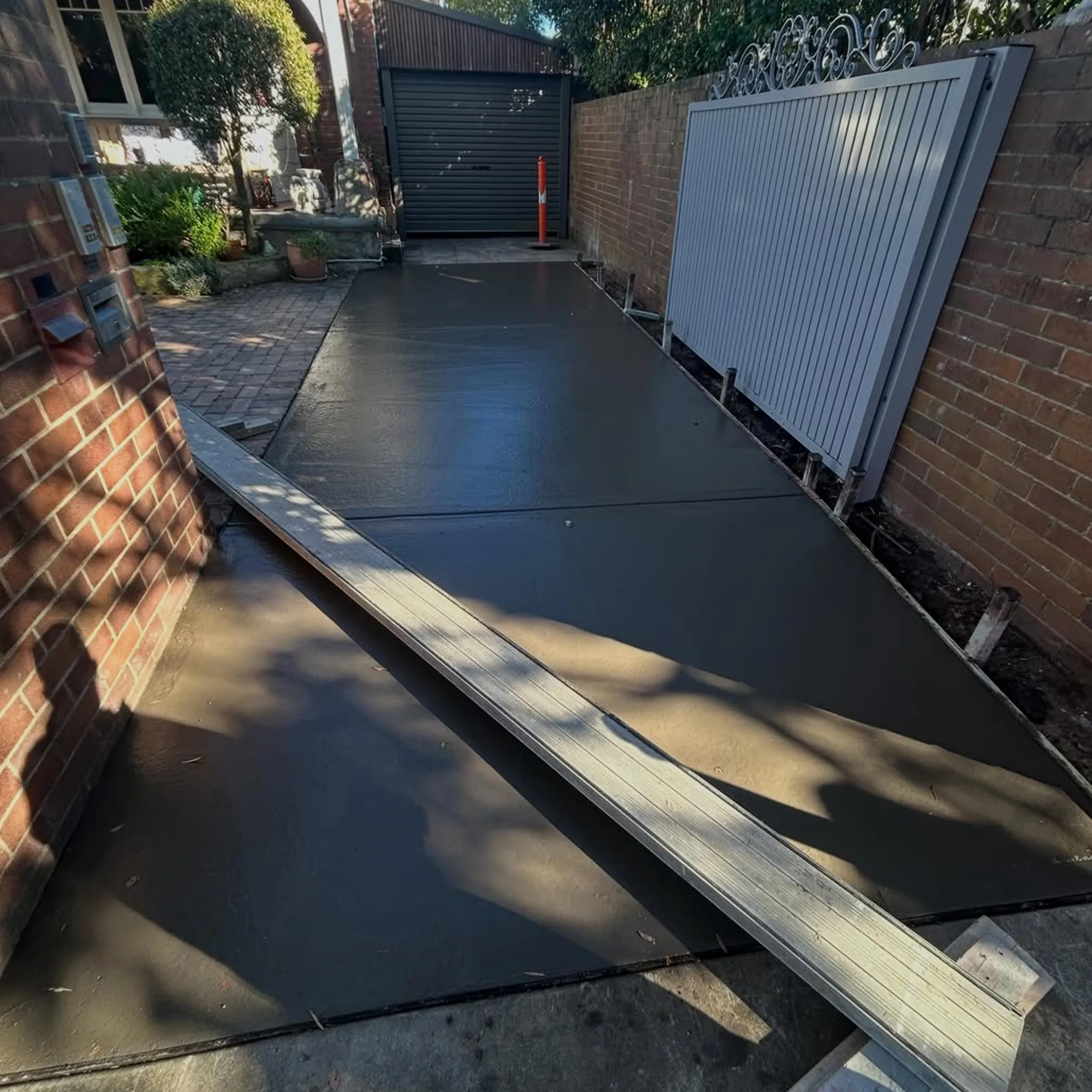
A fresh sealer does not take kindly to water. High humidity, condensation, morning dew or rain can all have an impact on the coating prior to the formation of a stable film. This can manifest as poor adhesion, a loss of gloss, softness, blotching or a milky sheen.
One should consult the rain forecast before putting the tin to use and then factor in a reasonable period of dryness once applied. The manufacturer’s written instructions are the guide here as to how much time is needed. Do not be lulled by a “fine” forecast into thinking the project is safe from an early afternoon shower; in Australia the weather has a way of disregarding the plan.
Humidity is an issue in its own right since the moisture in the air retards evaporation. This holds true in the tropics, coastal regions and any shaded courtyard. Not every product will tolerate the humidity of a day that looks dry, so do not make assumptions.
Rain After Sealing
Should it rain before the sealer is properly dry, the finish is at risk. A light mist is enough to put marks on it; more substantial rain will dilute a water-based product, wash away what has not cured and cause runs. It can also track dirt over the slab and leave tide lines in evidence.
Postpone if there is any chance of rain. If the unexpected happens, keep vehicles and furniture off and stay off the surface yourself; put in a call to the contractor or supplier for guidance when things have settled. An uneven finish is no reason to put on another coat, the surface may require a full drying and assessment.
Timing with Wind and the Sun
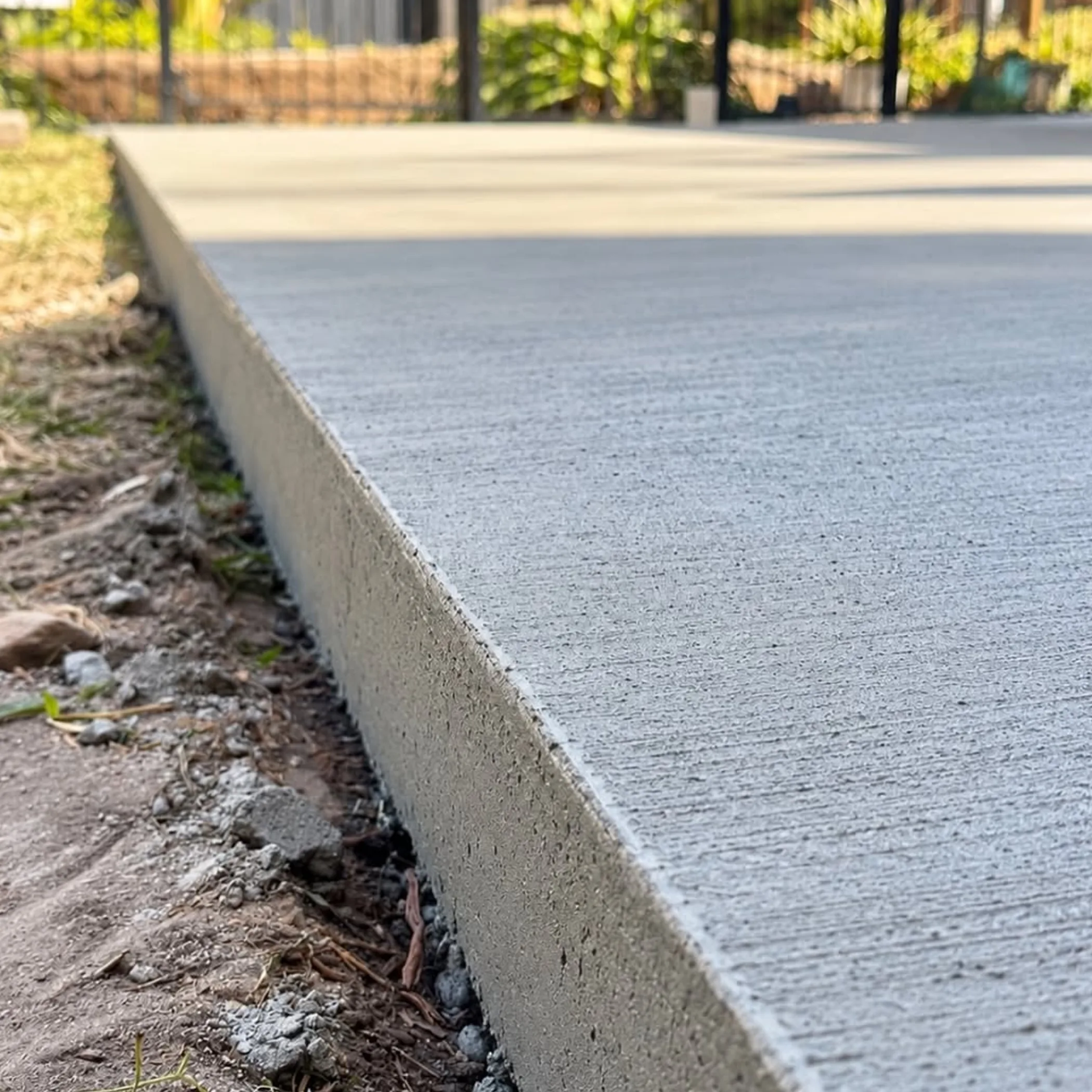
Wind can be a factor in the application and in the drying process. While a breeze is fine for ventilation, anything stronger will put dust, grass, insects and leaves on the wet coating or dry out an edge before the next area is blended.
The same goes for direct sunlight which alters the working time as it heats up the slab. You may have one part in the shade and another that is hot enough to flash off. To get an even result it is better to work with the sun than against it.
Finding a Workable Time
An early start is not invariably the best option. Morning dew can be present on the concrete, in the shade especially, despite the cool and calm conditions. Late morning is often good once the slab has dried and is not overly hot.
Late afternoon will do as well, but make sure there is sufficient time for the coating to dry before evening condensation sets in. In warmer climes a start that seems early enough can still see the sealer subjected to the night’s humidity. Plan for the whole of the drying period.
Regional Windows for Sealing
There is no one month in Australia that is ideal for the job. From the alpine to the Outback, the Top End and the southern cities, conditions are different. The question is when this slab will present a moderate, stable and dry window.
What follow are some regional patterns to plan by, not guarantees. A hands-on inspection of the slab is still called for, and one should check the product instructions and local forecast. The Bureau of Meteorology will provide the official climate data and forecasts to put seasonal trends in perspective.
| Region | Common Challenge | Useful Planning Approach |
|---|---|---|
| Cairns and Darwin | Intense sun, wet season and tropical humidity | Steer clear of any storm build-up and pick a few stable days in the dry season |
| Alice Springs and the Outback | Dust and wide temperature swings between day and night | Opt for a moderate forecast and control the dust; very hot surfaces are to be avoided |
| Sydney and coastal N.S.W. | Variable temperatures, sea air and showers | A dry spell that has settled is best; be thorough in your inspection of slabs in the shade or near the coast |
| Melbourne and southern Victoria | Rapid shifts in the weather and cool nights | Give the work ample time to dry and avoid cold, damp evenings |
| Adelaide | High surface temperatures, wind and hot dry spells | Work away from the heat of the day and protect the slab from dust |
| Perth | Strong sun, winter rain and hot summers | Pick a mild dry spell and keep an eye on the wind coming off open ground |
| Tasmania and the Snowy Mountains | Slow drying, dew and coolness | Choose warmer, more settled conditions and allow longer curing and drying |
Tropical And Monsoon Regions
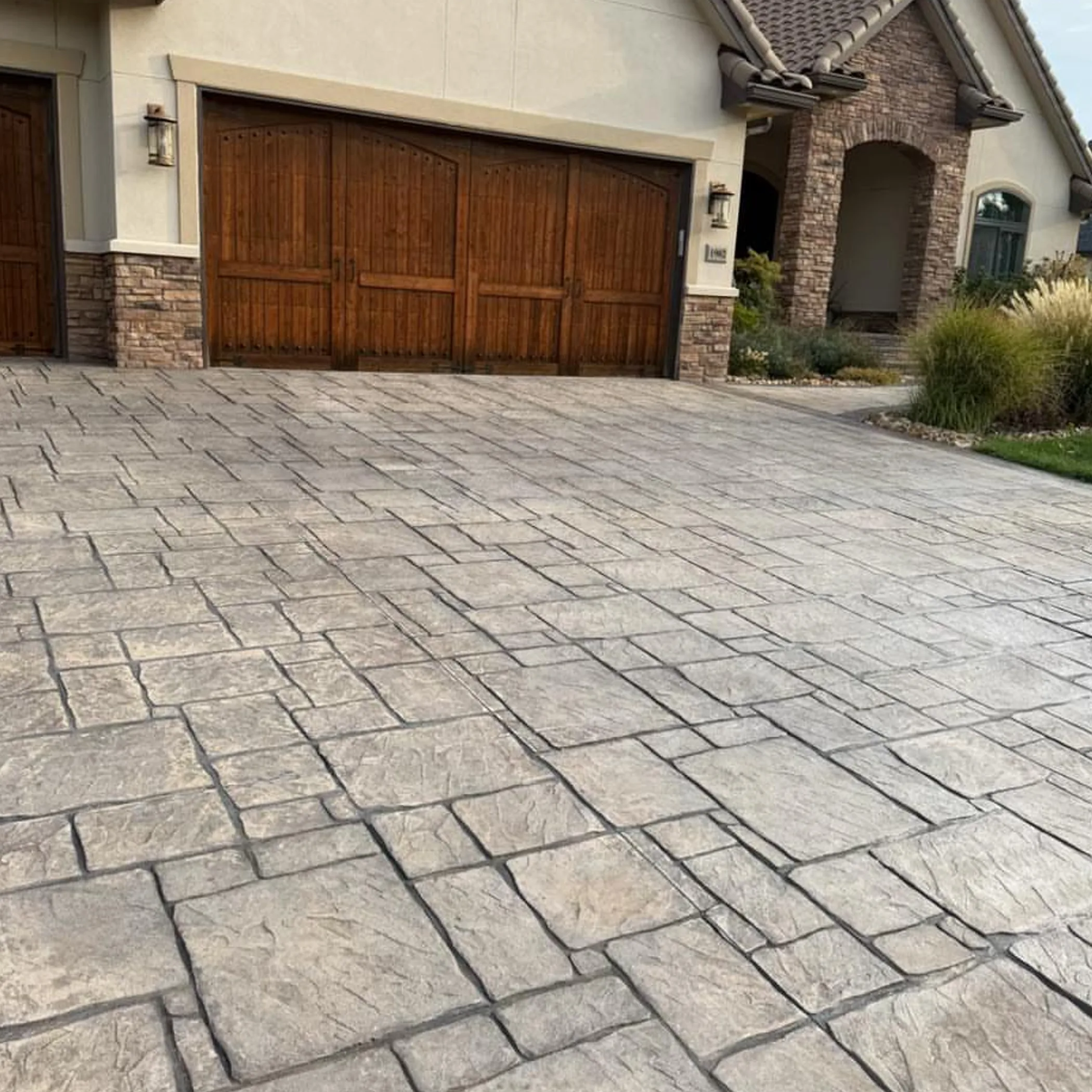
Timing is everything when sealing concrete in the heat given how fast the surface warms up. The wet and monsoon seasons in Cairns and Darwin can be sudden with rain and humidity, the dry season is where the application windows are to be found. But even then, warm slabs under a strong sun will cut into working time.
Top End sealers would do well to stay off the job if storms are in the offing or overnight humidity is going to leave the coating soft. Put up some shade if it is safe to do so, see that the slab is clean and have sufficient hands on deck to keep a wet edge; one man cannot cover too much without leaving lap lines all over before he has finished with the tin.
Then there is the matter of safety in hot weather. Make use of the product’s protective gear, have water at hand and take your breaks. Fumes should not be allowed to build up in an enclosed space. No one wants to be beside the roller tray feeling crook for want of a little caution.
Arid Temperate Regions
The dry air in arid interiors like Alice Springs might deceptively seem straightforward, but you have risks from the dust, quick changes in temperature and the extreme daytime heat. It may be necessary to seal in a cooler part of the day, yet the slab has to be of a certain warmth for the product to dry as it should.
Suburbs in Sydney, Perth, Adelaide and Melbourne are not all alike. A slab’s moisture and temperature will be affected by the colour of the paving, tree or building shade and coastal exposure. Do not count on a temperate climate to be predictable in the face of a humid coastal run or a cold front.
Patience is called for in the cold. Drying times in the Snowy Mountains or Tasmania can be protracted by the cool air and condensation. If the slab is still cold, a summer timetable is of no use. Let it dry and warm up and once the coating is down, keep traffic off it for as long as the manufacturer says.
Common Weather Failures
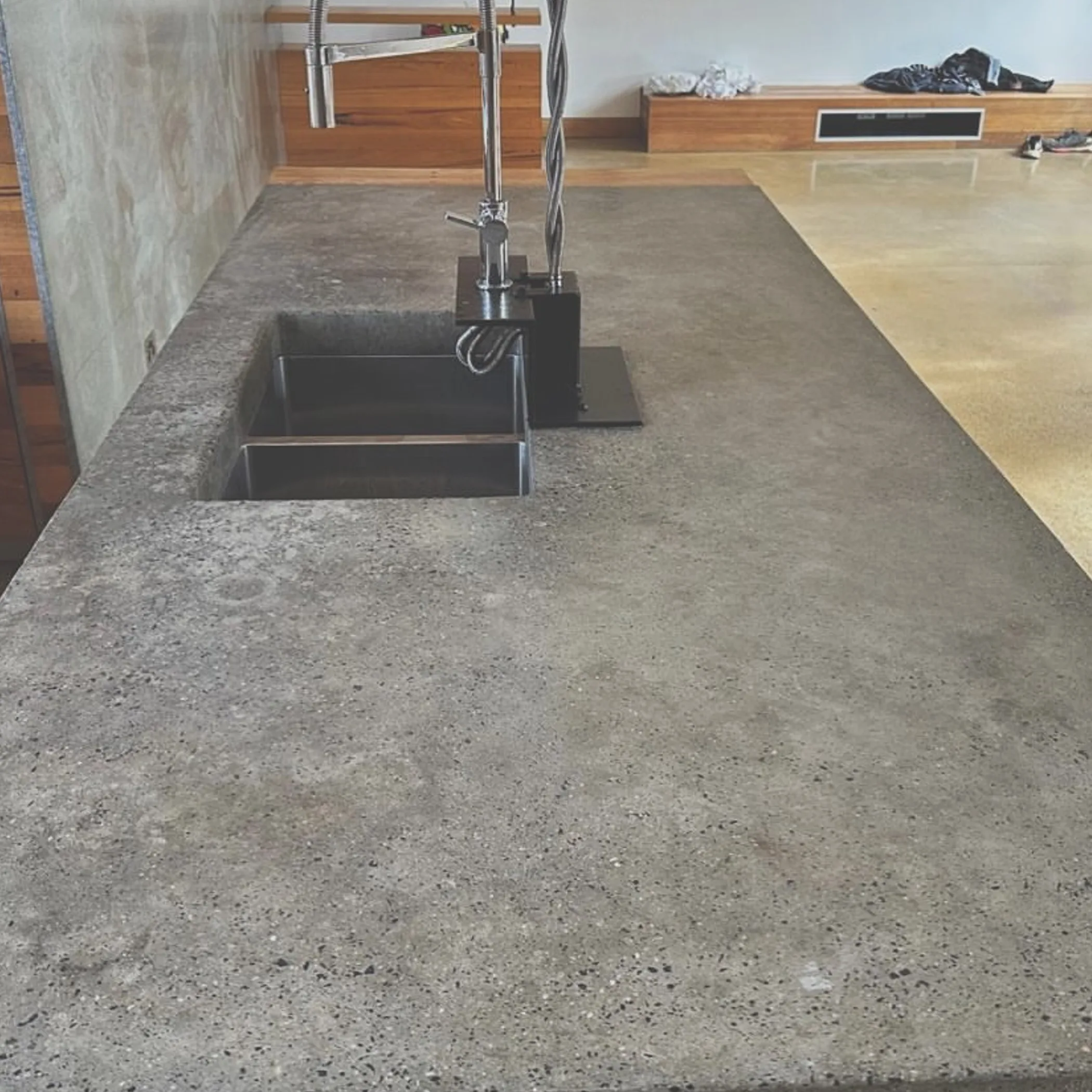
Most are the result of a minor oversight in planning: a start on a hot slab, sealing over something damp, or not giving the evening forecast the attention it deserves. You may not see the consequences until hours after the crew has gone.
Reality has a way of being blunt. A day billed as dry can have its morning dew, a warm day can have a slab in the shade that is not, a light breeze can turn into a gale on an open driveway. Look at the work area itself rather than the headline figures.
What Catches People Out
You can get blistering or bubbling from air or moisture getting under the coating. Blotching could be due to inconsistent application or the surface temperature, a milky look from moisture that has not had time to clear. Salts moving through the concrete will bring efflorescence.
The answer is not to put on more sealer right away. Have the surface stabilise and seek some advice on what has been used. An inconspicuous test patch will show how the sealer is likely to perform on that slab, though it is no substitute for doing the prep work properly.
A Checklist for Sealing Concrete in All Weathers
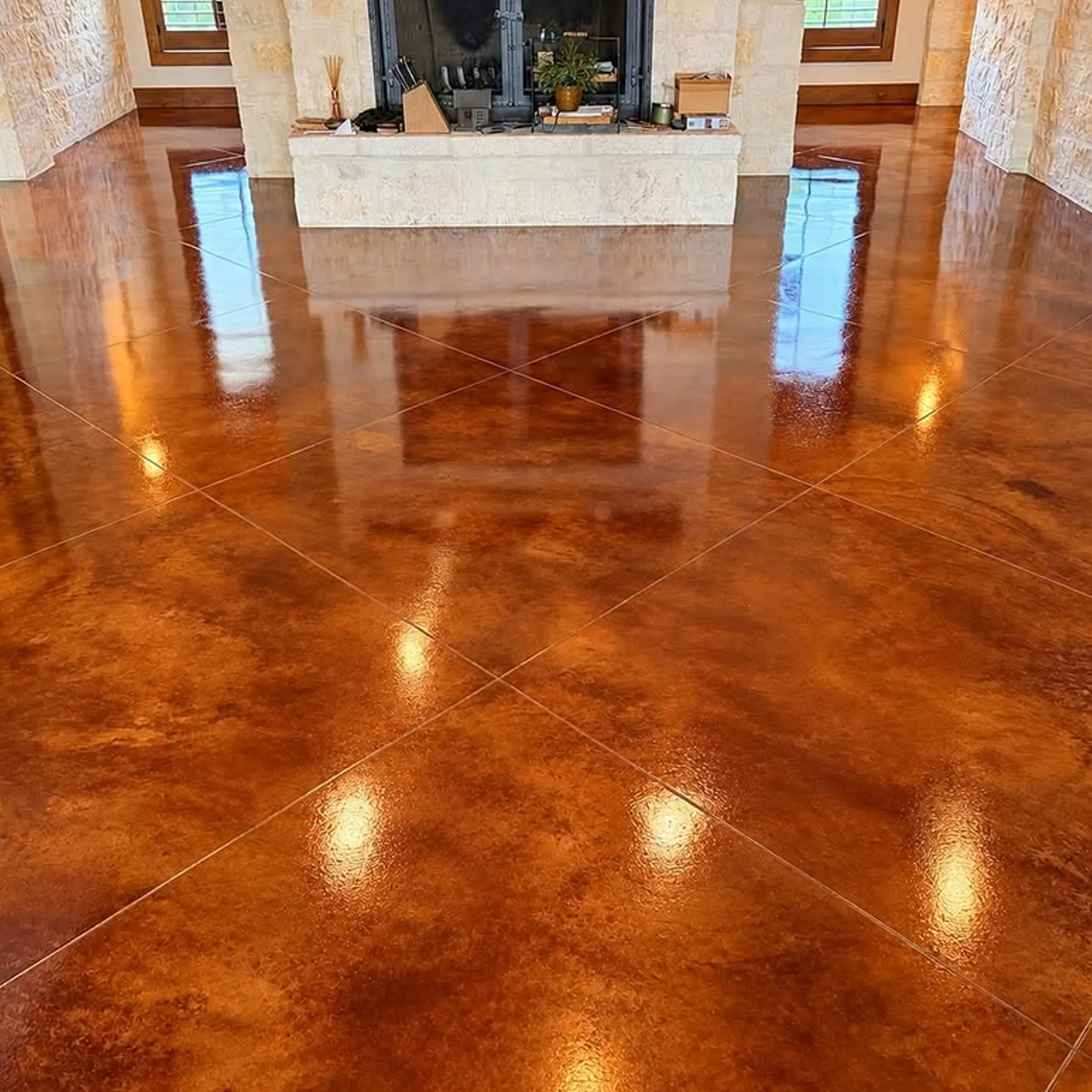
Have this at hand prior to putting the sealer to use or booking in a job. Homeowners, contractors and property managers will find it useful when work is to be done in any part of Australia.
- Make sure the concrete slab has had its required time to cure and is in good structural order.
- Temperatures, both of the air and the surface, should be put to the test of the product data sheet.
- The slab must be in a clean, dry state with no morning dew, dust, oil or efflorescence.
- See what the rain forecast has in store and factor in the entire dry period that is called for once you have applied the sealer.
- Take note of humidity, wind speed, overnight condensation and any shifts in temperature you can expect.
- With equipment access in mind, make allowances for shade movement and the midday sun.
- Put in place protective gear, ventilation and tools; set aside a curing period where there is no traffic.
- When the sealer, colour or concrete is new to you, do a small test run.
One day only? Then give precedence to the weather and your preparations instead of putting too much haste on the application. The area to focus on is one you can keep clear of traffic and in the shade while it dries. A big open driveway is not the place for a novice if the slab is damp, the product has tight limits or the forecast is anything but.
Frequently Asked Questions
What are the standards for concrete in Australia?
Project specifications, building requirements and the like may dictate the work, as will Australian Standards and what the sealer maker says. It is a matter of the scope, location and type of concrete. Do not make a compliance call from some blog guide; get the project documentation and a word from a building or concrete professional who is qualified.
At what temperature should I seal?
Go by the moderate range the manufacturer lays down for air and surface alike. Steer clear of rapid changes in temperature, slabs that are very hot or freezing. Where the data sheet has a maximum or minimum to offer, let that be your guide.
How long to let the concrete dry?
For as long as the manufacturer says, at a minimum, though cold, poor ventilation or high humidity will extend that. An uncured film is vulnerable to rain so pick a reliable dry spell in the forecast over a short gap.
Is it possible in hot or humid conditions?
Only if the product is amenable and you can hold the slab to its moisture and temperature limits. Humidity requirements of a sealer are not all the same. In such weather, stay out of direct sunlight, control the area and put off sealing if you see storms or condensation coming.
Rain after the sealer is on?
You could end up with an uneven finish, marks on the film or material that has been washed away. Let it dry and put off any recoating until you have had some specific advice from the product maker; a second coat is not going to cover it up. Keep furniture and vehicles at bay.
Making the most of the weather window
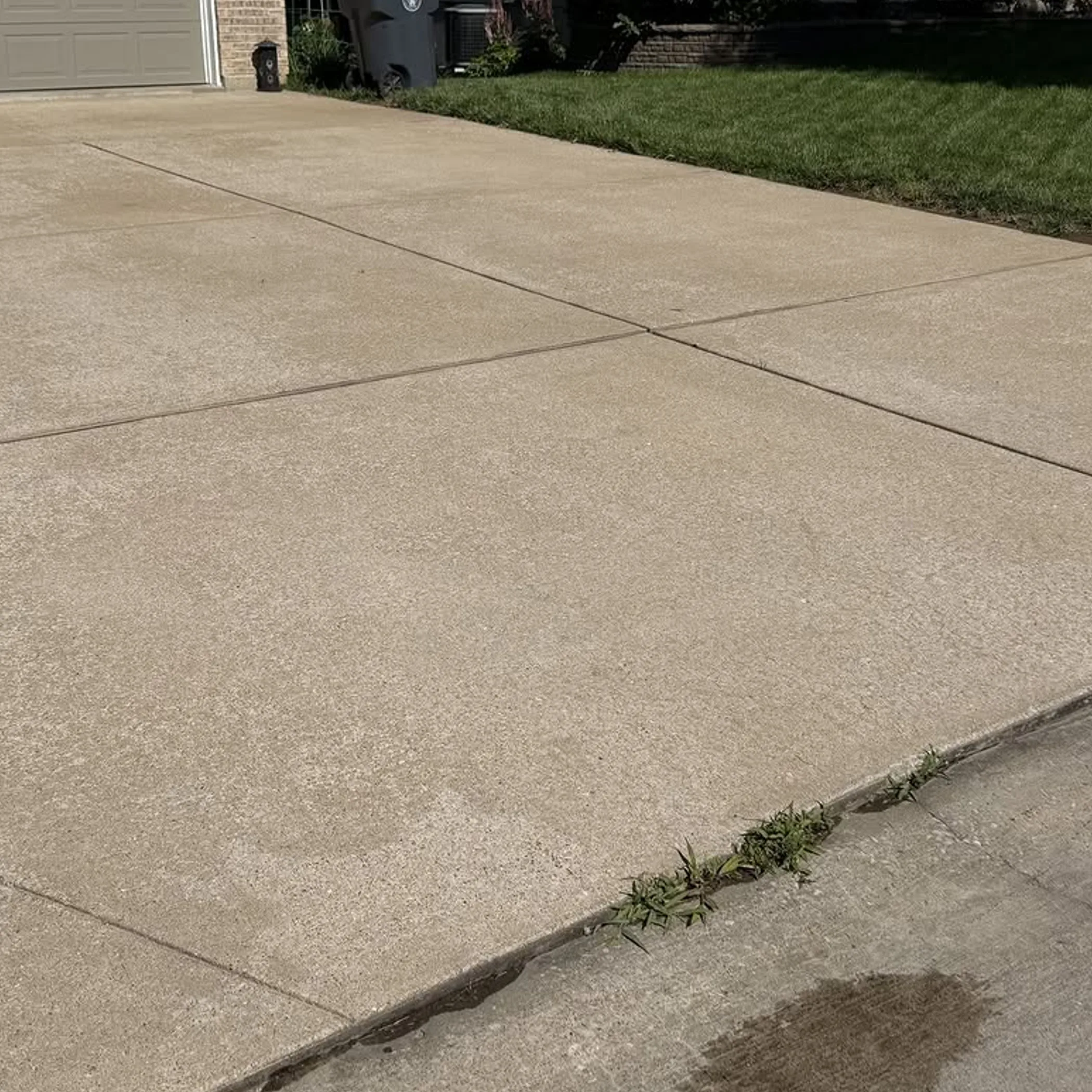
To seal concrete well you need the right conditions: a dry slab, light wind, not too much direct sun and the time to let it cure. The method is sound enough even if the timing varies across the country.
Henry Northwood would put it simply: wait if the product, the slab and the forecast are at odds. You may be put out by a job put back a day, but a driveway with a failed finish is costlier still and you will know the weather was making its point.
