The safety standards for maintaining a high-rise in Australia are founded on a number of things: the National Construction Code, state and territory laws, Australian Standards, what the fire authority demands, workplace safety obligations and the maintenance history of the building itself. In essence it is straightforward: an owner or manager has to see that the building is safe to run, not just in compliance on opening day.
My name is Henry Northwood and I have little patience for compliance advice that does not hold up when put in front of an actual building. You will find roofs with leaks, wedged fire doors, cracked joints in the facade, plant rooms put to use as storage and access systems that appear sound until they are put to the test. This guide is intended to set out the principal obligations and the kind of inspection rhythm that makes sense, as well as the pitfalls for commercial landlords, facility managers and strata committees.
Rules of the Road for High-Rise Maintenance
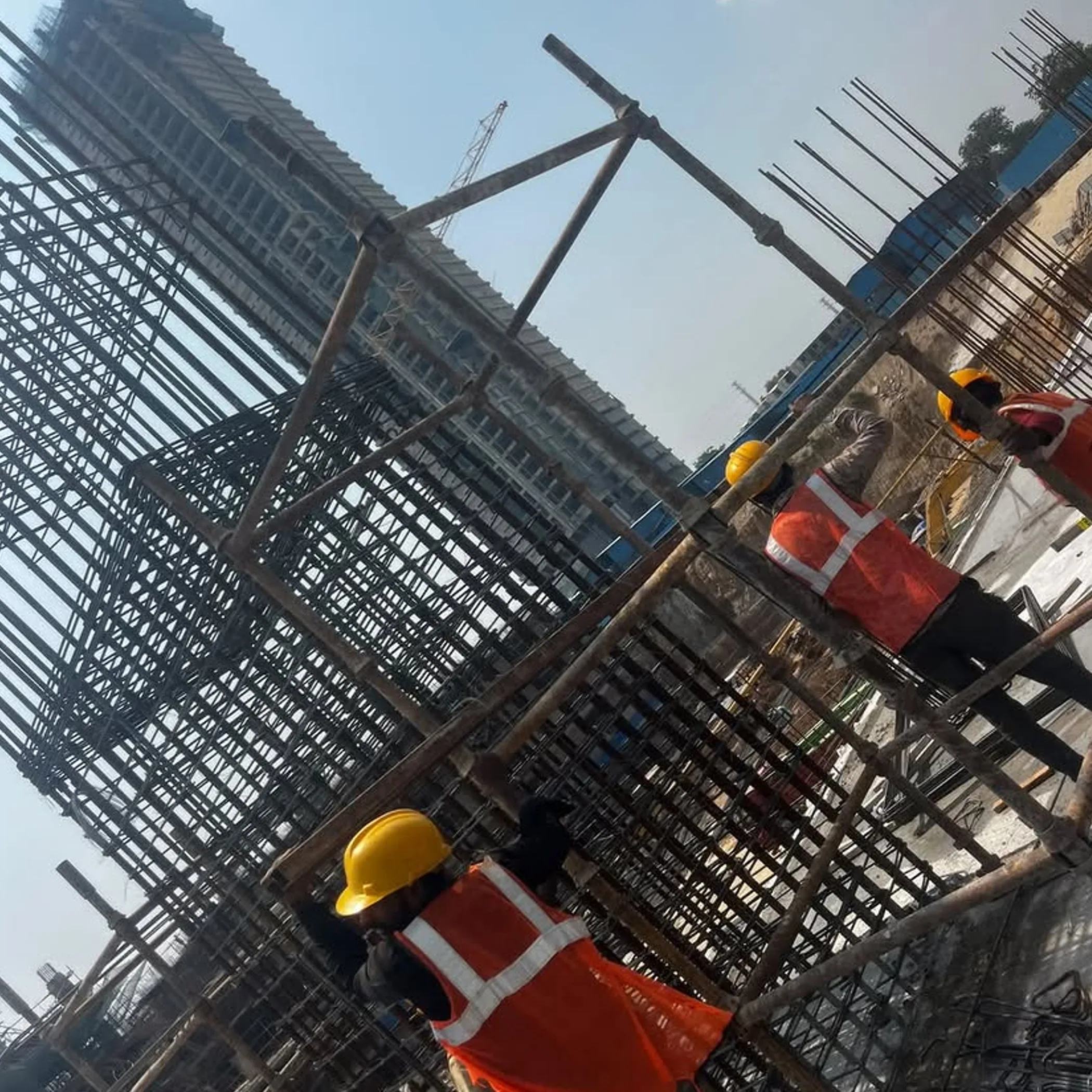
One cannot point to a single rulebook for an Australian high-rise. The NCC performance requirements will have its performance and construction stipulations but once a building is done, it is state and territory law that governs certification, occupation and how it is to be maintained and inspected.
It is best to view compliance as one system. A defect in the facade can lead to water ingress which in turn can compromise your fire-rated construction; high rise access method comparisons can help with planning, as bad access planning puts workers at risk from height. One loose end can unravel the rest of it.
National And Local Obligations
For the National Construction Code the national benchmark is found in the resources of the Australian Building Codes Board. The NCC 2025 is of consequence for any design, alteration or construction work being done now, yet even an existing building can come under its scope if there is a change of use or a state law calls for an upgrade.
Then there are the duties imposed by tenancy or strata legislation, environmental rules, local approvals, fire and work health and safety laws. A prudent building manager will have a compliance register on hand to document who is responsible for what obligation, the evidence of its completion and the date of the next required action.
NCC 2025 and the Older Towers
An older tower is not going to be rebuilt to every current standard because of NCC 2025. But any new work or safety upgrade, significant addition or change of use will have to be measured against the relevant provisions and how they have been adopted in the state or territory.
There is value in an NCC review for the clarity it brings. Put the question to a certifier or surveyor before you go about replacing cladding, putting in new plant, changing a tenancy or encasing a balcony. It is no way to manage a tower to make guesses off a search result.
A Matter of Classification (Classes 2 to 9)
Use will dictate whether a high-rise is an NCC Class 2 to 9. Apartments are usually Class 2, the other classes encompassing everything from retail and offices to industrial, assembly and health-care. A mixed-use tower could have more than one classification in its walls.
This has implications for the evidence needed for an upgrade and the way maintenance teams rank a defect; a blocked exit in an apartment block is not put in the same category as something cosmetic in a basement.
Inspection Duties Vary by State
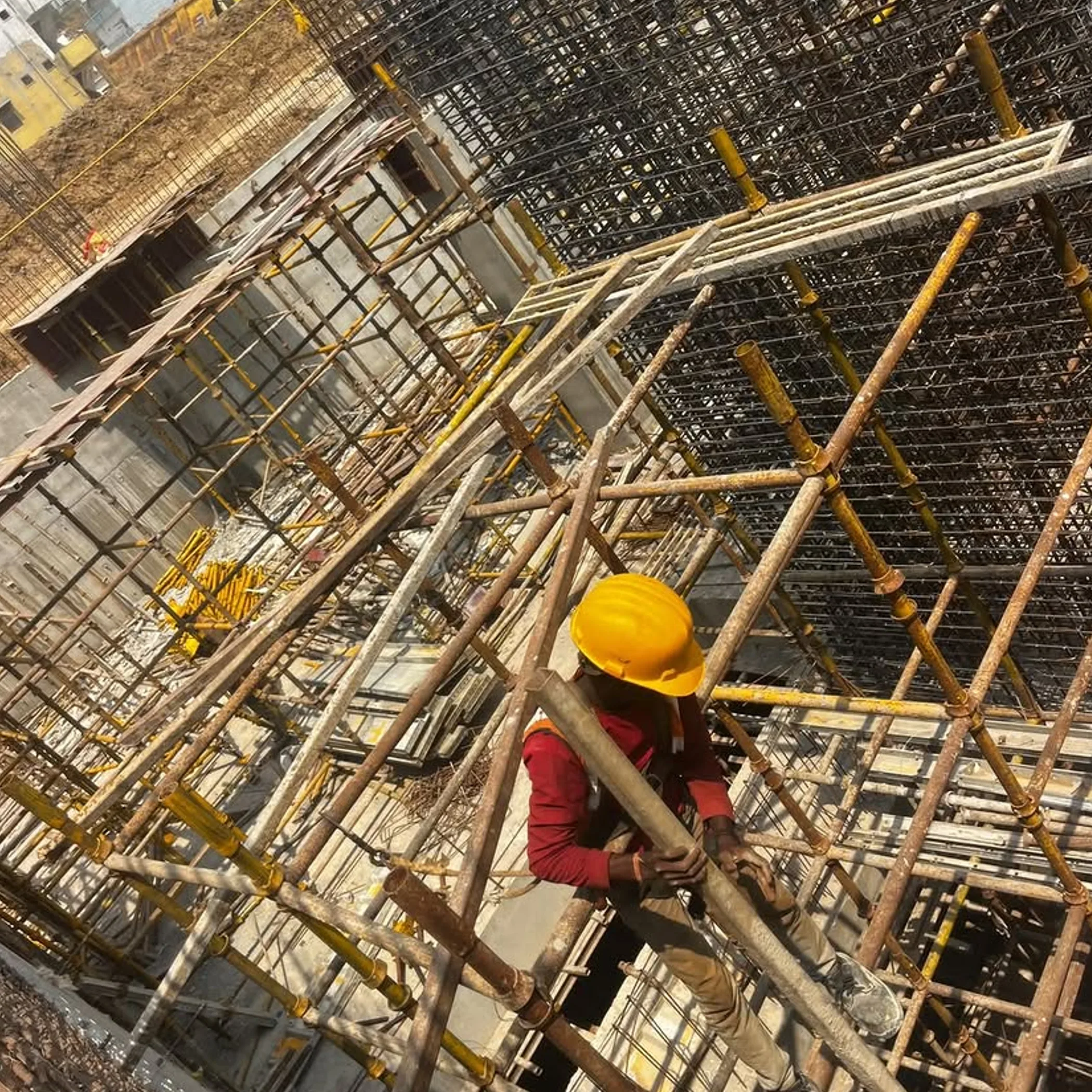
You will not find a national schedule for mandatory building inspections in Australia in 2026. Every jurisdiction has its own framework for workplace, fire and building safety and the local authority can add to it via occupancy or approval conditions.
So get to know the local rulebook before you put together an inspection calendar. Take note of the building’s age, its classification, any rectification orders on foot and the conditions of its approval.
What a Manager Needs to Verify
Is there an Annual Fire Safety Statement to be had? Or a fire safety schedule, lift certification, pool and plant inspections, essential services records, periodic checks of the facade or reporting on combustible cladding?
The states may also differ as to who is to do the inspecting and certifying, notification of the authority and record keeping. Where the original builder, the maintenance contractor and the owner have different agendas, some independent oversight is worth having.
In the case of strata, the body or owners corporation should have a decision trail in their meeting minutes – the risk, the defect, the budget and advice given, who is to deal with it and by when. A maintenance system is not “we will put it on the watch list”.
Risk in Facade and Cladding
Standards for the upkeep of a high-rise facade go well beyond window washing and putting in new sealant. In the course of a thorough audit one would be looking at the building envelope and how it has fared over time: the integrity of the facade, its fixings, panels and glazing, movement joints, flashings, fire-stopping, waterproofing, as well as any balconies or balustrades.
In Australia combustible cladding is still a source of considerable risk to compliance. That is because a cladding system is an assemblage of products; the panel, insulation, sarking, adhesive, cavity and fire barriers can all be relevant. A test on a single sample does not establish the safety of what is installed.
Put The Envelope To The Test
One should be on the lookout for telltale signs such as bulging or cracking, staining, rust on the fixings, water marks, displaced panels or loose balcony components, failed sealants and damage to membranes and around penetrations. Do not overlook what is inside either. Unexplained dampness, peeling paint, swollen linings or mould that keeps coming back are often indicative of an external problem.
It is a mistake made by many to see the facade as nothing more than cosmetic. It is a component of the building’s fire strategy, a weather barrier and a safety system. Paint over a defect and it may be there to complicate your next inspection.
A risk-based approach is called for in facade audits, with suitably qualified people to do them. Where the risk is high you may have to put in place temporary exclusion zones, get engineering input, do some make-safe work of an emergency nature or put together a plan for cladding remediation in stages. Rope access is useful for a close look but is no substitute for an engineer’s judgement.
Durability And Waterproofing
When waterproofing breaks down it is seldom confined to a single room. Water has a way of making its way through the slabs, wall cavities, service penetrations and the joints in the facade before it shows up far from where it came from. Maintenance of the high-rise envelope must account for this with both internal tracking of defects and external inspection.
Condensation, vapour, ventilation and drainage are part of durability, as is the compatibility of materials. You will find the original design has been compromised if weep holes are blocked or there are unapproved penetrations and altered membranes; ventilated cavities need to be in proper order.
Make Sure Of The Moisture
There is no point in sealing off a stain and declaring the work done. Note the position, the wind and weather, recent maintenance and the humidity inside and see if the defect is any different after a rain. Leave it to competent specialists to plan any hose testing, thermal imaging or opening-up that might be needed to find the source.
Structural inspections must take into account exposure conditions and any carbonation, chloride attack, spalling, settlement or corrosion in the concrete. A coastal tower or one in an industrial area will demand more scrutiny than a low-rise in a sheltered spot.
Annual Statements And Fire Systems
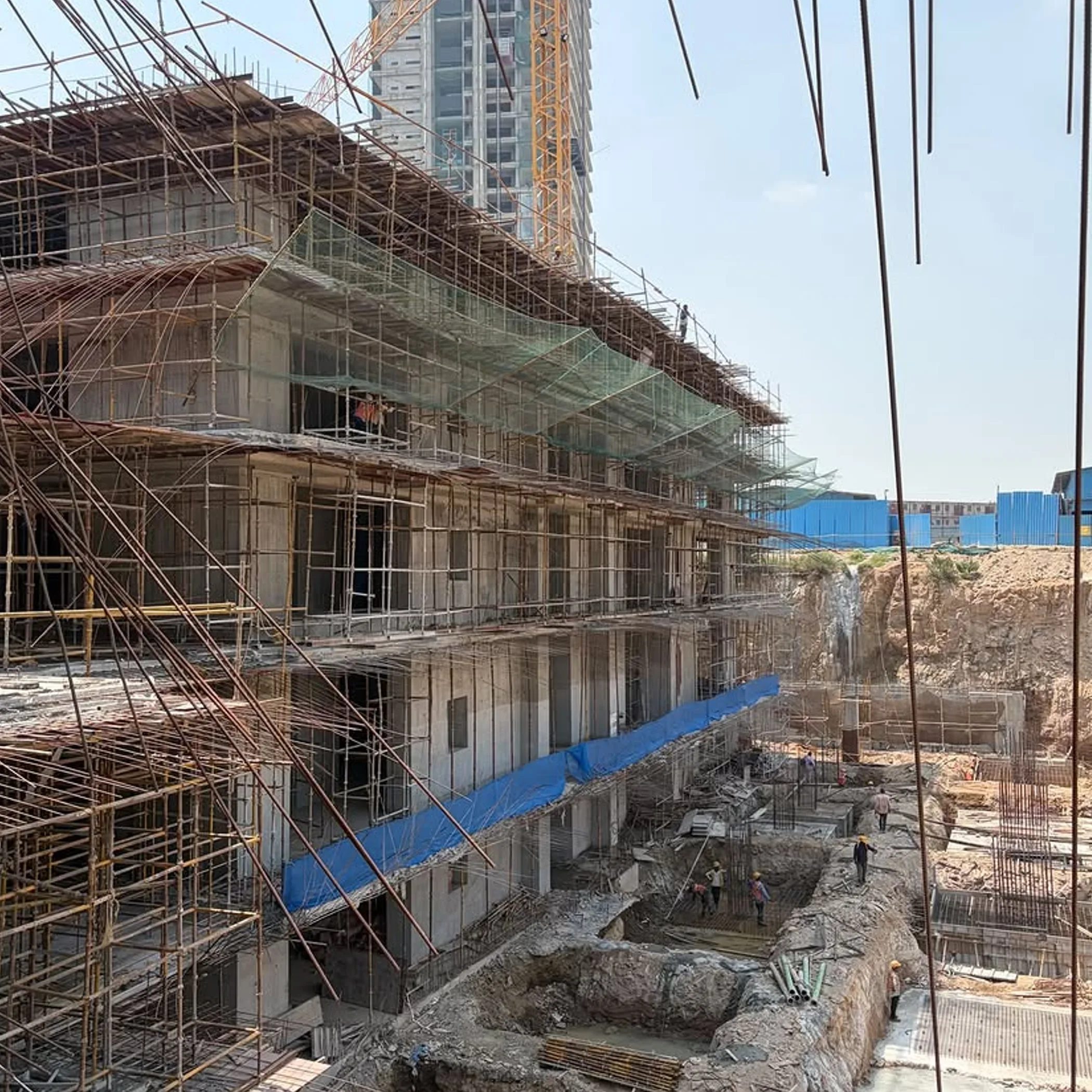
The scope of a high-rise fire safety inspection is not restricted to the alarms and extinguishers. There has to be evidence of maintenance for the sprinklers, hydrants, smoke control, pumps, evacuation and detection systems, fire-isolated stairs, rated walls, exit signs, lighting and so on.
AS 1851-2012 is the norm for routine servicing of fire equipment and protection systems in line with the fire authority and applicable standards, but it is not some magic stamp that absolves a building of risk.
Evidence For Your AFSS
The rules for an Annual Fire Safety Statement will differ from one state or territory to another yet the owner or responsible entity is expected to show that the prescribed fire safety measures have been assessed and maintained. Service reports, certificates, contractor information and proof of access should underpin an AFSS. Should a contractor note a defect, the building manager is not to tuck the report away and trust that the issue will right itself.
Fire doors in particular are prone to failure. Make certain they latch and close, that the seals are in good order and hold-open devices function as they should. See that labels can be read and that tenants have not put a wedge in the door. Check for any obstruction of fire equipment or travel paths by furniture or storage.
Maintenance Access
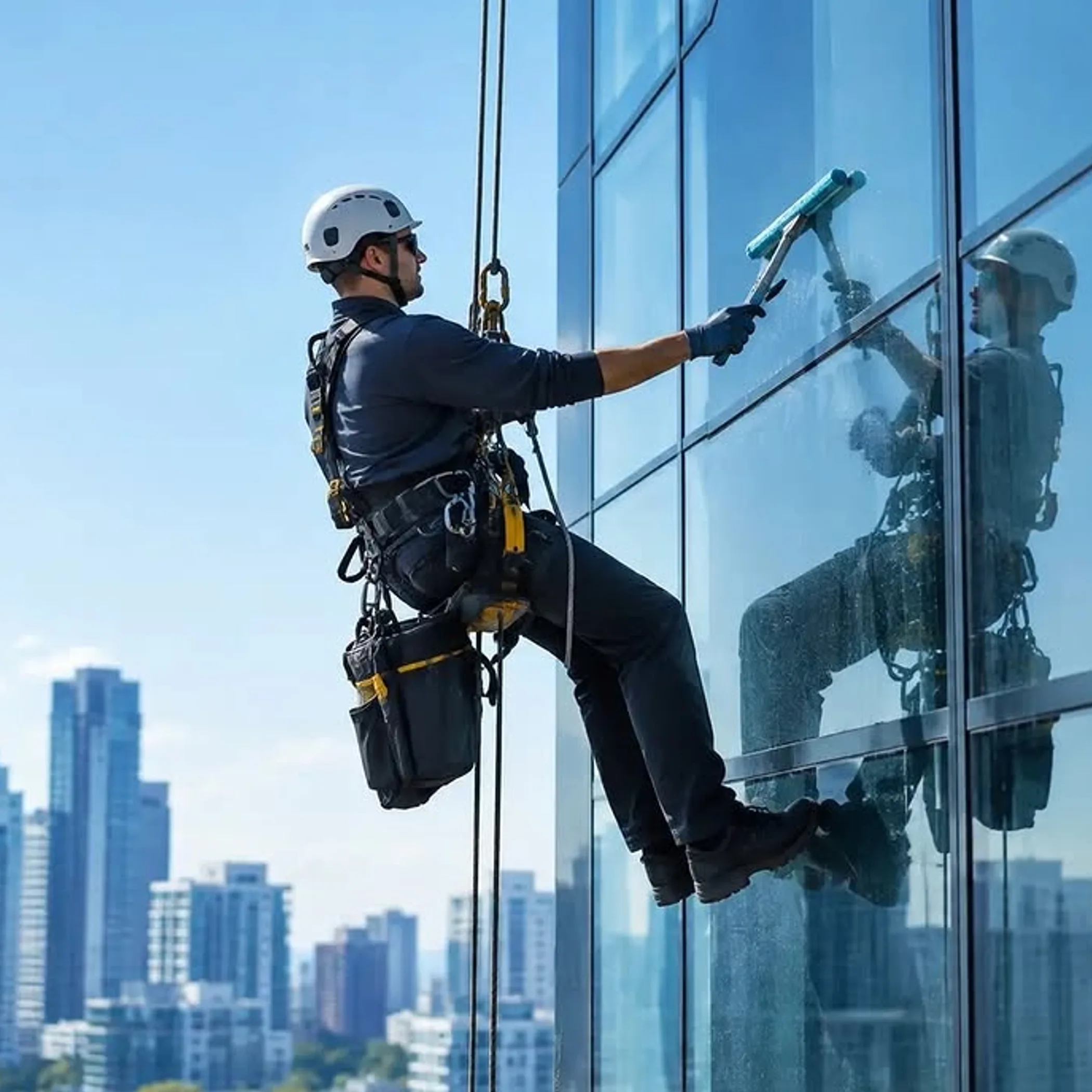
Before anyone goes up to the roof or plant platform some forethought is required. The method of access has to be dictated by the condition of the equipment, the height and surface, the length of the job, the weather and what rescue provisions are in place.
Do not be seduced by a cheap option for high rise access. Once you factor in public protection, anchor certification, traffic management and the odd weather delay it can be costly.
Compare Access Options
| Access Method | Useful For | Main Controls |
|---|---|---|
| Building maintenance units | Regular inspection and cleaning of the facade | Exclusion zones, operator training, rescue planning and certification of the unit |
| Rope access | For a close visual or to make a repair | Weather limits, a two-rope system, certified anchors and technicians with the right qualifications |
| Scaffolding | For facade work of any size or length | Engineering, ties and edge protection, as well as public safety; inspections after severe weather or changes |
| Elevated work platforms | Suitable for local repairs and accessible elevations | Controls for overhead hazards and ground conditions, exclusion zones and operator competency |
Roof access is to be left locked yet at hand for those with authorisation. Do not let ladders, walkways, guardrails, anchor points, skylights, fragile surfaces, plant or lightning protection become obscured by stored goods. If footpaths, loading areas or a busy entrance are in the way of your work, put traffic control in place.
Then there is the weather. A bit of wind, rain or heat, poor visibility and lightning can make a rope task or lift that would otherwise be routine into a serious incident. In northern Australia from November through April you must be prepared for cyclone alerts and what they mean for roof equipment, temporary works, emergency access and any loose items on the facade.
Practical Compliance Checklist
An Australian building maintenance compliance checklist needs to be straightforward but sufficiently detailed to stand up to scrutiny. The most robust systems will have a calendar, an evidence folder, a risk and contractor register, an asset list and a log of defects.
Take this as a guide and modify it to accord with the professional advice and approval documents for the building in question, as well as state or territory dictates.
- Start by establishing the responsible owners and verifying approvals, occupancy, fire schedules and the building’s classification.
- Have an asset register in place for all essential services, from the lifts, generators and pumps to the roofs, facade and fire systems.
- Risks should dictate the timing of cladding assessments, structural inspections, waterproofing reviews and facade audits.
- Any alterations call for a check of the fire-stopping, penetrations, cavity barriers and combustible cladding.
- Where AS 1851-2012 is pertinent, service records must be kept, rectification completed and defects noted.
- Make sure submission dates for the Annual Fire Safety Statement or its state equivalent are tracked.
- A tour of the building should include the plant rooms, basements, car parks, balconies and fire-isolated exits on the roof.
- Put to the test the rescue arrangements and the building maintenance units, as well as the lifelines and rope access anchors.
- Make a note of who did the inspecting and to what standard, what was found and the course of action.
- After a storm, water ingress, a fire, renovations or a change of use the register warrants a review.
One-Day Priority Plan
When a high-rise has to be reviewed in a day, life-safety risks come first. Go over every fire stair and door, see what is happening with the hydrants and pumps, look at any open defects of a high-risk nature and get current on the fire service records. Any known issues with the cladding or facade should be inspected.
After that, cast an eye over the next year’s obligations to see if there are any missed inspections, certificates past their date, defects left to fester, plant that cannot be reached or work going ahead without proper approval. It is no substitute for a professional audit but will put the glaring omissions in plain view.
Owners and managers may find it a useful triage to see where things stand before parting with money in the wrong sequence; do not mistake it for the work of an engineer, a building surveyor, an access specialist or a qualified inspector.
Common Questions Answered
The answers below are a practical way to start, though one has to allow for the fact that state and territory adoption can alter the fine print. High-rise compliance is rarely as simple as it is put.
NCC 2025: does it apply of its own accord?
It may for new work, an addition or a change of use, but an existing building is not obliged to conform to every new provision just because the NCC has. Seek guidance on the jurisdiction and the work at hand.
Is an annual inspection a must?
There is no national rule that covers all high-rises. Some statements and measures run on an annual basis, other assets do not. The authority in the state or territory, the fire schedule and the standards in force will tell you.
Rope access the safest option?
Not always. While effective in the hands of a specialist, the method is only as safe as the circumstances allow, be it the duration, the public exposure or the weather. An elevated platform or scaffold could be called for.
Will a cladding test show you are in compliance?
Not of itself. You are looking at a sample or a product configuration. For combustible cladding you have to take into account the whole system, the fixings, the insulation, the cavity and how it was approved.
Standards and Tolerances
The 2026 Guide can be instructive on what constitutes acceptable quality or a defect in the right jurisdiction, but it does not supersede an engineering assessment, a maintenance contract or the NCC.
Keep The Building Honest
Maintenance of a good high-rise is done with some scepticism and is well documented. It is not content to discuss a defect but will follow it to closure and it will want to know if a certificate is borne out by the building itself.
The priorities for 2026 are to have the facade and envelope in order, to manage condensation and waterproofing, to have the AFSS evidence to hand and to plan any height work with the requisite controls for the public and for rescue. Get to grips with the NCC 2025 and the state’s take on it.
In the end the best program is not the thickest file in the plant room. The one that matters is the one that puts the next person in charge of the building in the picture as to what has been done, what is still a risk and what is required of them.
